Finding a long-term lease in the San Bernardino Mountains requires understanding the unique local housing inventory. Knowing the average rent in Lake Arrowhead CA is the first step for prospective tenants planning a move this year.
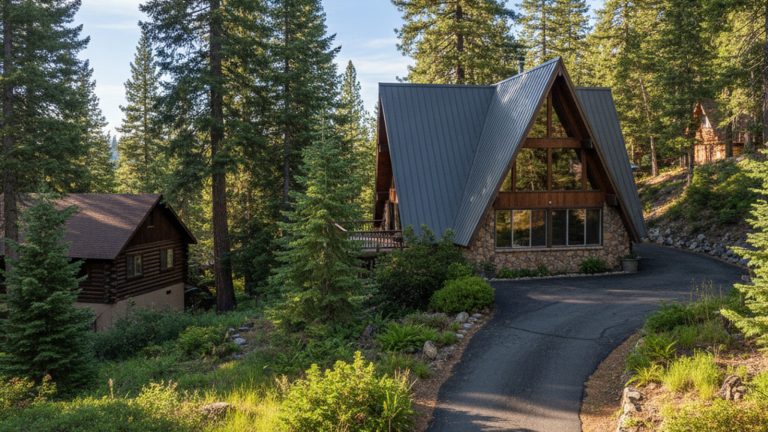
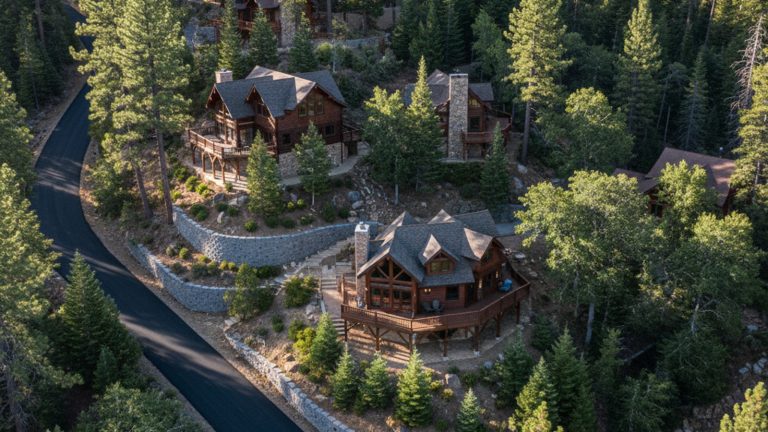
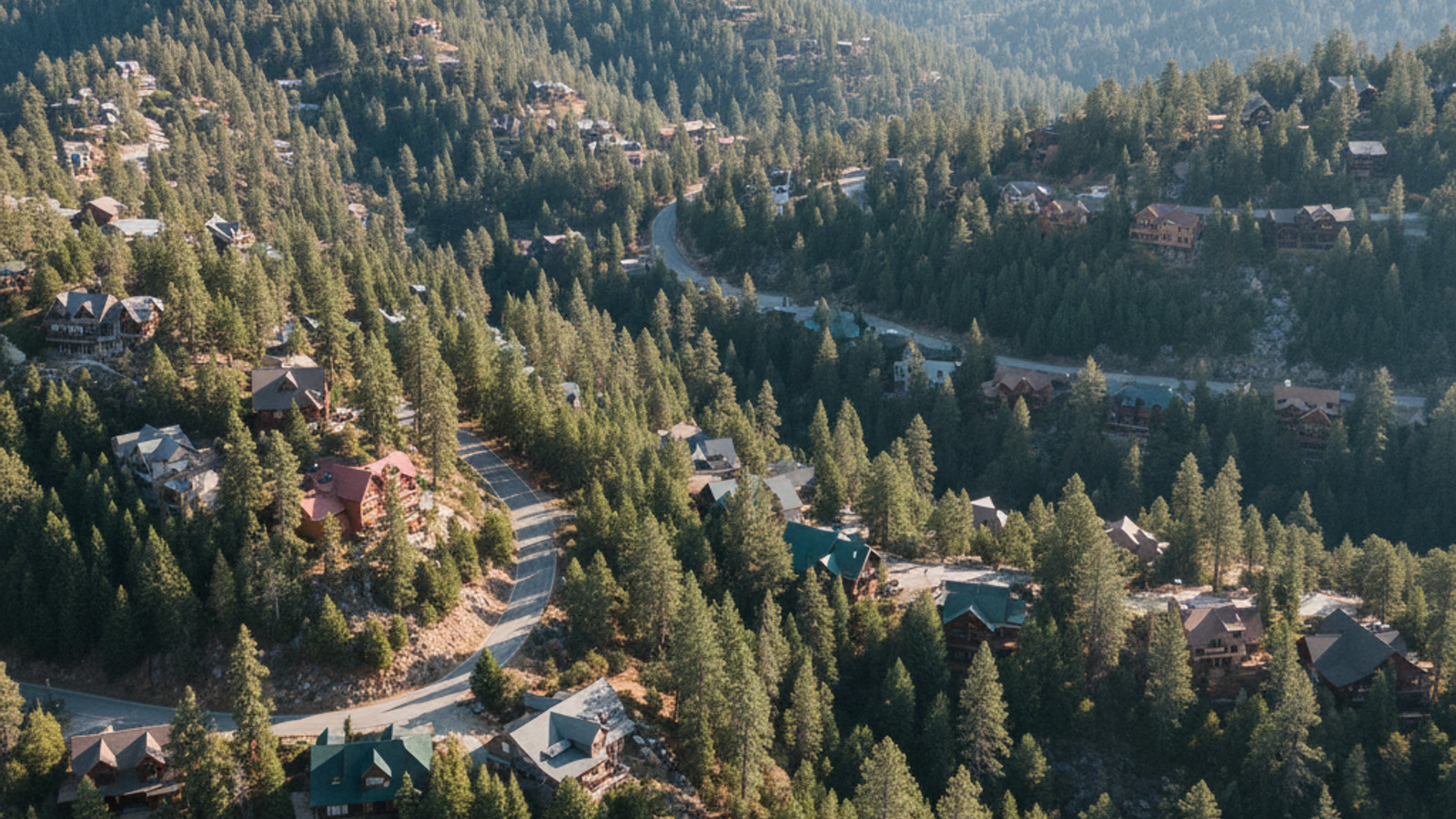
The local real estate landscape is defined by its geography, meaning available houses for rent are often nestled among steep hillsides and dense forests. Because standard apartments for rent are relatively scarce compared to valley cities, monthly costs reflect the premium placed on limited mountain housing.
Navigating this year’s rental market trends takes a bit of preparation and local insight. From utility considerations to lease terms, renters need accurate data to set a realistic budget for mountain living in 2026.
2026 Rental Market Trends in Lake Arrowhead, CA
The median rent for the area currently hovers between $2,430 and $2,700 per month for a standard 12-month lease. This average rent price sits noticeably higher than the national average, reflecting the distinct nature of the local housing stock.
Over the past few years, prices rose steadily due to increased demand for remote work locations, and that momentum has carried right into 2026. The limited housing supply in this alpine geography keeps prices relatively firm, as new construction is heavily restricted by terrain and zoning.
With inventory remaining tight, this is definitively a landlord’s rental market. Tenants who come prepared with strong applications and a clear understanding of local pricing by neighborhood will have a distinct advantage when securing a lease.
Average Monthly Costs by Property Type
The Lake Arrowhead area features a wide variety of housing options, from compact mountain cabins to expansive luxury estates. Because multi-unit complexes are rare, prospective renters will primarily find single-family homes on the market.
Square footage, lot size, and proximity to the water heavily influence the final lease price. Beyond the base rent, tenants must also budget carefully for utility expenses, as winter heating costs can significantly impact the total monthly housing budget.
To give you a clear picture of what to expect, here is a breakdown of approximate monthly rental costs by property size:
- 1-bedroom units and smaller multi-family condos typically run around $1,500 to $1,600 per month.
- 3-bedroom single-family homes average $2,500 to $2,600 per month.
- 4-bedroom homes or premium cabins near the lake can easily exceed $3,500 per month.
Securing a smaller property often requires acting quickly, as 1-bedroom layouts are in high demand and short supply. Renters should always confirm whether snow removal and trash collection are included in these monthly figures before signing a lease.
How Short-Term Vacation Rentals Impact 12-Month Leases
The thriving seasonal tourism industry plays a massive role in shaping the availability of year-round housing. High demand for weekend getaways naturally reduces the inventory of homes available for standard 12-month leases.
San Bernardino County enforces specific Short-Term Residential Rental Permit requirements, which helps balance the market. This active enforcement protects a portion of the long-term supply, ensuring that not every property is converted into a nightly rental.
Recently, there has been a noticeable rise in 30-day mid-term rentals serving as an alternative for property owners. In fact, nearly 23 percent of the local vacation rental supply now requires stays of 30 nights or more, effectively bridging the short and long-term markets.
For prospective tenants, the best strategy is to begin searching for long-term leases during the late winter or early spring. Securing a property before the peak summer tourism season begins is the most reliable way to avoid severe inventory shortages.
Commute Times and Transportation Routes
While many residents work remotely, those commuting to the Inland Empire rely on a few primary mountain highways. State Route 18, State Route 173, and State Route 189 serve as the main arteries connecting Lake Arrowhead to the valley below.
Under clear conditions, drivers can expect a 30 to 45-minute baseline commute to major commercial centers in San Bernardino. However, seasonal weather patterns drastically alter these travel times.
Heavy snow, dense fog, and ice can temporarily close roads or require mandatory chain controls during the winter months. Winter vehicle preparedness is absolutely non-negotiable for anyone renting a mountain home and commuting to the valley.
Renters should ensure their vehicles are equipped with proper snow tires and carry chains from November through April. Factoring in these potential weather delays is a critical part of planning your daily routine in the mountains.
Local Amenities and Community Infrastructure
Year-round residents benefit from a well-established network of everyday facilities and services. Lake Arrowhead Village serves as the primary commercial hub, offering a variety of retail stores, grocery options, and local dining.
The area is also equipped with essential healthcare infrastructure, anchored by Mountains Community Hospital. Having access to both routine medical care and a 24-hour emergency room directly on the mountain provides significant peace of mind.
Educational facilities are managed by the Rim of the World Unified School District, which operates campuses throughout the surrounding mountain communities. Properties located within a short drive of these core amenities typically command a rent premium.
When evaluating different neighborhoods, consider how often you plan to visit the grocery store or the village center. A home tucked deep into the forest offers privacy, but it also means a longer drive for basic errands and services.
Frequently Asked Questions
Rent prices in the Lake Arrowhead area are noticeably higher than the national average in 2026. Data from the Census Bureau and local listings show the local median rent hovers around $2,550, driven by limited mountain inventory. The premium reflects the unique alpine geography and strict zoning regulations that restrict new development.
A $300,000 house in this market would typically rent for approximately $2,000 to $2,400 per month. Landlords often aim for a monthly rent that equals roughly 0.7 to 0.8 percent of the property value to cover costs and generate a modest return. However, finding a move-in ready home at that purchase price is increasingly rare in the current real estate market.
Cities at the base of the mountains, such as San Bernardino and Highland, generally offer cheaper rent than Lake Arrowhead. Tenants can often find apartments in these valley cities for $1,800 to $2,000 per month. The lower costs reflect the higher density of available housing and the warmer, non-alpine climate.
You can likely afford housing here if your household earns at least three times the monthly rent. Based on the $2,500 average rent price, a tenant would need a gross monthly income of roughly $7,500 to comfortably pass standard tenant screening. Budgeting for higher winter heating bills is also crucial when calculating your total affordability.