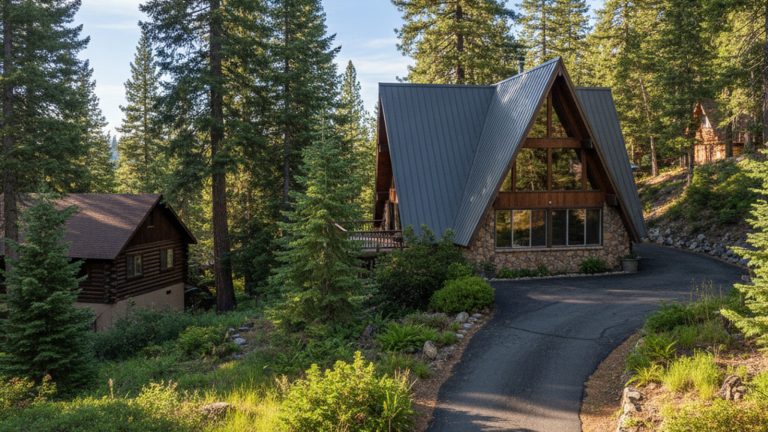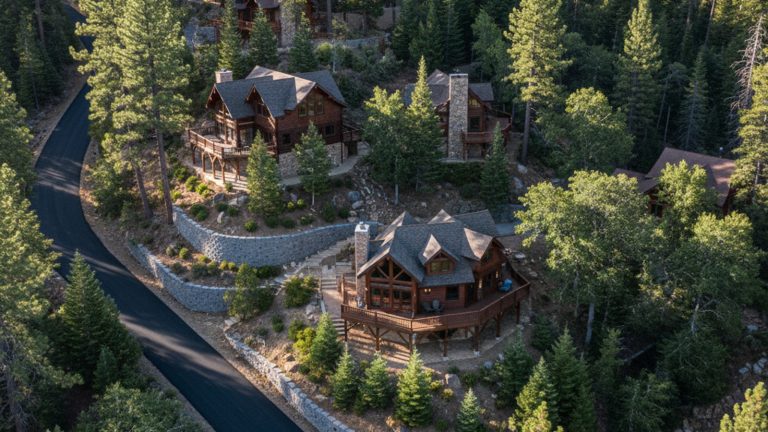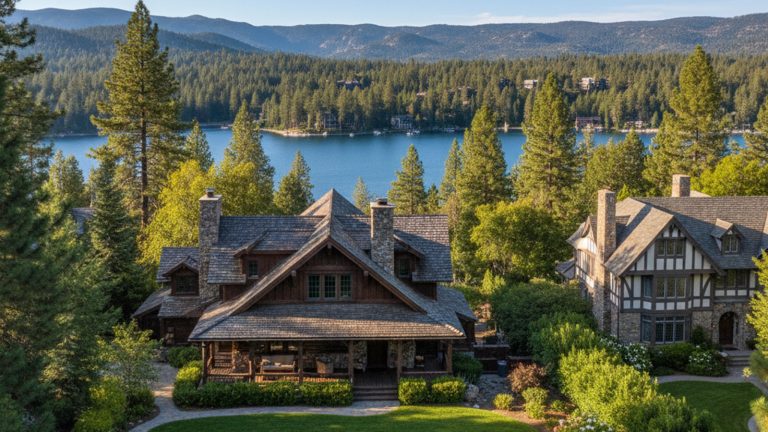
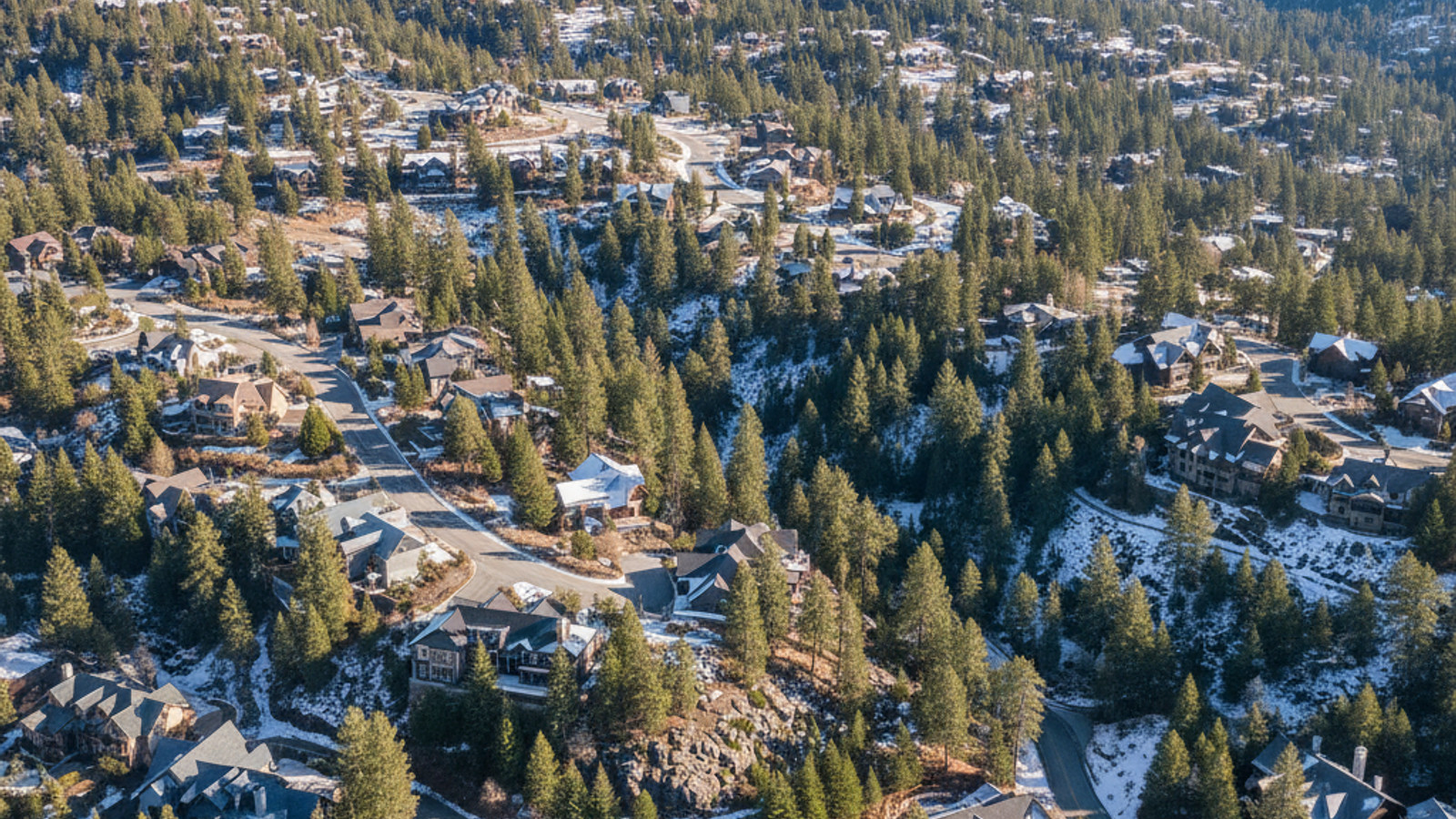
Taking on a mountain construction project requires careful planning, a solid budget, and an understanding of local topography. Buyers looking for specific layouts or modern finishes often find that creating a custom residence is the most practical path forward. Building from the ground up allows you to design a property that maximizes natural light and captures the surrounding forest views.
The timeline and costs in the San Bernardino Mountains differ significantly from standard suburban construction. Navigating steep grades, specialized utility connections, and strict winter weather codes will demand a capable team of local professionals. This guide outlines everything you need to know about the permits, expenses, and logistics involved in bringing a new home to life here this year.
The Step-by-Step Process for Building a Custom Home in Lake Arrowhead
Taking a project from an empty dirt parcel to a completed mountain residence is a multi-phase endeavor. The journey begins with identifying a buildable lot and securing architectural plans specifically engineered for alpine conditions. Working with a designer who understands the local terrain is non-negotiable if you want to avoid costly revisions later.
Once your blueprints are finalized and stamped, the next major hurdle is submitting them to the county for approval. Be prepared for a lengthy timeline, as architectural planning and permit reviews can easily take several months before a single shovel hits the dirt. After securing the necessary approvals, your general contractor will move forward with site preparation, grading, and vertical construction.
Purchasing a Vacant Lot
Buying undeveloped land in the mountains requires a strict due diligence process. You must verify access to public utilities like water, sewer, and electricity before finalizing any purchase agreement. A geological survey is also essential, and buyers need to secure a Service Availability Letter from the Lake Arrowhead Community Services District to confirm utility connections are possible.
Topography plays a massive role in your overall budget and building timeline. Current vacant land prices range from approximately $15,000 for steep or off-grid lots to well over $100,000 for prime parcels near the water. Purchasing a heavily sloped lot might save money upfront, but it will significantly increase your grading and foundation costs during the site preparation phase.
Navigating San Bernardino County Building Permits
All construction within the area falls under the jurisdiction of the San Bernardino County Department of Building and Safety. You are required to submit fully approved, stamped plans to the county to initiate the review process. Building permit fees are calculated based on the estimated staff review time and the total valuation of your construction project.
Navigating this bureaucracy is much easier now using the county’s EZ Online Permitting Portal, which allows you to submit applications and track progress digitally. Your initial plan review fee generally covers one resubmittal for any required corrections. Builders should also budget for standard administrative additions, including local school fees, traffic impact fees, and drainage assessments.
Objective Cost Estimates for Your Build
Establishing a realistic budget is the most critical step for any mountain construction project. Custom home construction in the San Bernardino Mountains generally runs between $200 and $350 per square foot, depending heavily on your chosen finishes and the lot topography. A level lot with basic finishes will sit at the lower end, while steep grades and luxury materials push costs upward.
Your total budget will be divided into two main categories: site preparation and vertical construction. Site prep covers expensive early steps like heavy grading, tree removal, and pouring specialized foundations. Vertical construction accounts for the framing, roofing, plumbing, and interior finishing work that turns the structure into a livable space.
Utility connections add another substantial layer of expenses before you even pour concrete. You must pay specific connection fees required by the Lake Arrowhead Community Services District to establish service. These mandatory charges typically include a Water Capacity Fee, a Wastewater Capacity Fee, and a Supplemental Water Buy-In Fee.
Specific Mountain Construction Requirements
Building in an alpine environment introduces engineering mandates that simply do not exist in standard Southern California neighborhoods. All structural framing and roofing must be explicitly engineered to withstand strict snow load requirements. Failing to properly calculate these loads can lead to catastrophic structural failure during heavy winter storms.
Fire safety is equally critical, requiring strict adherence to Wildland-Urban Interface standards. The California Building Code and the San Bernardino County Fire Code mandate fire-resistant materials for all exterior surfaces. To meet these stringent regulations, your construction plans must incorporate several specific features:
- Non-combustible siding and decking materials
- Dual-paned windows reinforced with tempered glass
- Enclosed eaves to block wind-blown debris
- Specialized vent screens designed to prevent ember intrusion
Integrating these fire-mitigation features early in the design phase is crucial for passing county inspections. Additionally, building on a sloped lot requires heavy retaining walls and deeply anchored foundations to prevent soil erosion over time.
Lake Arrowhead Location Details and Logistics
Understanding the local infrastructure is vital when planning your new construction project and future daily routine. The primary commute route down the mountain is State Route 18, commonly known as Highway 18. This well-maintained highway provides the most direct access to the wider San Bernardino valley and major interstate connections.
Residents rely on a centralized hub of amenities located around Lake Arrowhead Village. This commercial center provides easy driving access to retail stores, local dining options, and essential daily services. Having these facilities close by reduces the need to drive down the mountain for basic household necessities.
The area also maintains essential civic and medical infrastructure to support the local population. Mountains Community Hospital serves as the primary medical facility for urgent care and standard health services. For educational zoning, the region falls under the jurisdiction of the Rim of the World Unified School District.
Frequently Asked Questions
A budget of $200,000 is generally not sufficient to build a standard-sized custom home in this area today. With current construction costs ranging from $200 to $350 per square foot, this budget would only cover a very small cabin under 1,000 square feet. You also have to factor in the high costs of steep-lot grading and mandatory utility connection fees.
Yes, you can legally act as an owner-builder for your own property in CA under specific state exemptions. You must pull the permits in your own name and directly supervise the subcontractors completing the work. However, you assume all liability for code compliance, worker safety, and construction defects.
With an absolute maximum budget of $250,000, you can expect to build a modest home of roughly 700 to 1,000 square feet. This assumes you purchase a relatively flat lot to minimize expensive grading and retaining wall requirements. You will also need to select basic, builder-grade finishes for the kitchen and bathroom to stay within this strict financial limit.