

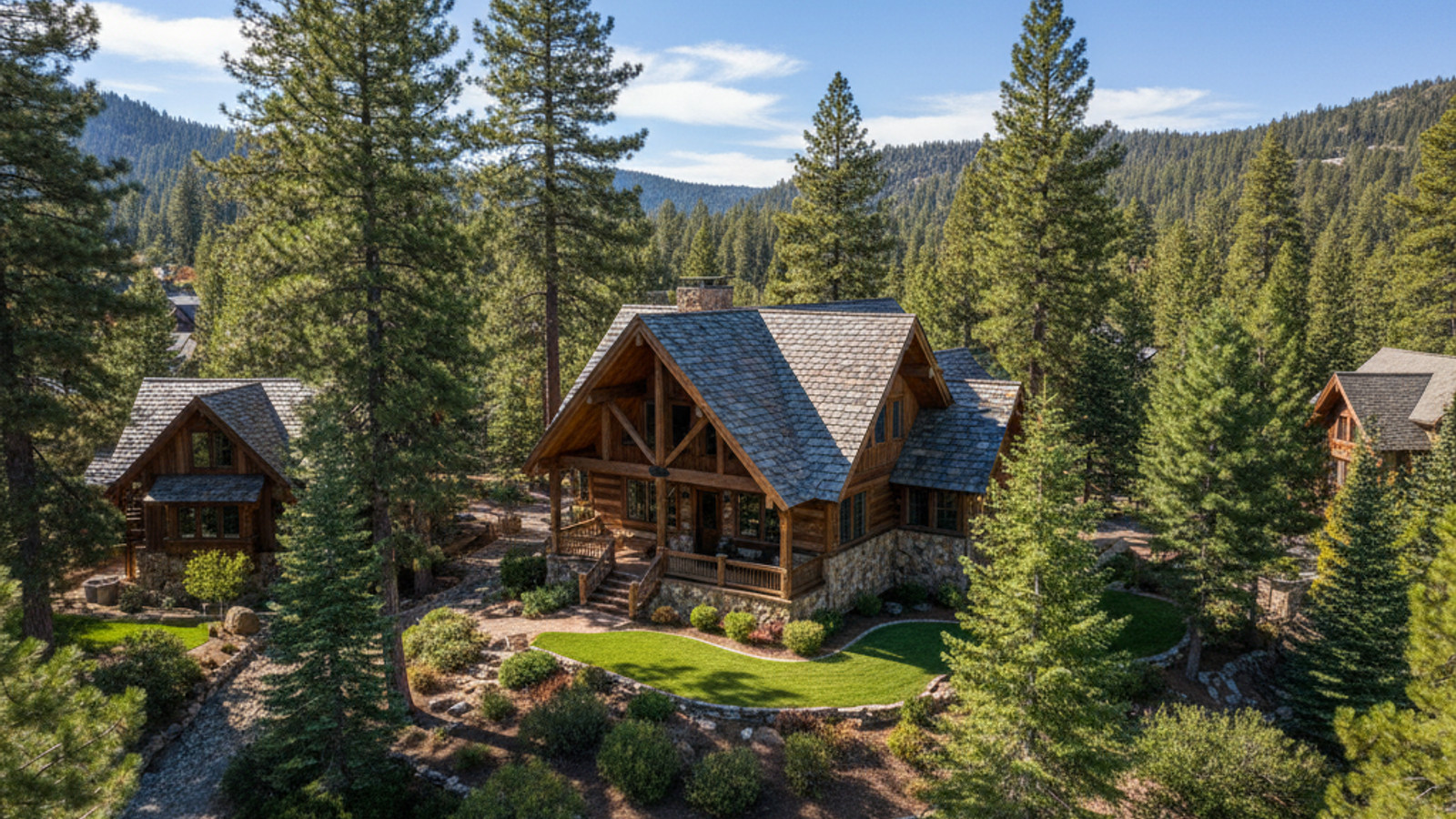
Selling a home in California comes with strict legal requirements designed to protect the buyer’s decision to purchase. When listing a property in the San Bernardino Mountains, baseline state rules combine with local environmental factors to create a complex paperwork process. Providing accurate seller disclosures in Lake Arrowhead CA is the best way to protect yourself from post-sale legal trouble.
Mountain properties feature unique infrastructure and specific environmental risks that flatland homes simply do not share. Buyers expect transparency about everything from dock rights to snow removal agreements before finalizing a contract. Understanding what the law requires right now helps you price your home accurately and negotiate with confidence.
Standard California Real Estate Disclosure Obligations
The law of California heavily favors transparency in real property transactions. Under California Civil Code Section 1102, sellers have an overarching duty to disclose known material facts that affect the value or desirability of the property. Failing to disclose known defects can lead to severe consequences, including disclosure lawsuits based on claims of fraud or misrepresentation in real estate.
A common misconception among homeowners is that selling a property “as-is” eliminates the need for paperwork. Even if you explicitly state that you will not make any repairs, you must still provide all mandated state disclosures. The “as-is” clause only means the buyer accepts the condition of the property as disclosed, not that the seller can hide latent defects.
Honesty is always the safest policy when filling out your required forms. You only need to disclose information based on your actual knowledge, meaning you are not legally required to hire an inspector to find hidden problems before listing. However, if you know the roof leaks every winter, concealing that fact opens the door to expensive litigation long after the sale closes.
What is the Transfer Disclosure Statement (TDS)?
The Transfer Disclosure Statement, commonly known as the TDS, is the primary disclosure form used for reporting known defects in residential properties. This document acts as a comprehensive checklist of the home’s physical condition. Completing the TDS accurately is required by law and forms the foundation of the buyer’s understanding of what they are purchasing.
Sellers must detail several specific aspects of the home on the TDS. Common items required on this form include:
- The operational status of included appliances, HVAC systems, and water heaters.
- Known structural issues affecting the foundation, walls, or roof.
- Any past flooding, drainage problems, or grading issues on the lot.
Navigating the Seller Property Questionnaire (SPQ)
While the TDS focuses heavily on physical condition, the Seller Property Questionnaire covers broader property history and legal issues. The SPQ requires you to detail past insurance claims, boundary disputes, and any ongoing neighborhood nuisances. This form provides a complete historical picture of your time owning the home.
Transparency regarding past repairs or alterations is especially vital on the SPQ. If you or a previous owner completed renovations without the proper county permits, you must disclose that information here. Revealing unpermitted work upfront allows buyers to factor it into their offer, reducing the risk of a collapsed deal later.
Natural Hazard Disclosures (NHD) in San Bernardino County
The forested, mountainous environment of Lake Arrowhead makes the Natural Hazard Disclosure report incredibly important. This document outlines geographic and environmental risks associated with the specific parcel of land. While an NHD report is generated by a third-party company, sellers are still liable for disclosing any known hazards not caught by the automated system.
Nearly all properties in this region fall into High or Very High Fire Hazard Severity Zones. This designation triggers additional scrutiny from buyers and their insurance providers. Providing the NHD report early in the escrow process helps buyers secure accurate insurance quotes and prevents unexpected hurdles right before closing.
Defensible Space and AB 38 Fire Hardening Rules
Wildfire risk management is a major component of selling a mountain home. Under AB 38, homes built before 2010 located in high fire zones require specific fire hardening disclosures. Sellers must provide documentation detailing vulnerabilities, such as untreated wood shakes or unenclosed eaves.
You will also need to demonstrate local defensible space compliance before the property transfer is complete. This means maintaining clear zones around the structure by removing dead vegetation and trimming tree branches. Failing to secure the required inspection certificate can stall your escrow indefinitely.
Earthquake Faults and Steep Terrain Hazards
The San Bernardino Mountains sit near several active fault lines, making seismic hazard disclosures a standard part of the process. The NHD report will explicitly state if the home is located within a mapped earthquake fault zone. Buyers rely on this information to assess their need for specialized earthquake insurance coverage.
Beyond earthquakes, the steep topography of the area introduces other geological risks. Sellers must disclose known issues related to soil stability, landslide risks, and designated flood zones. Mountain runoff can cause significant erosion, so past soil mitigation efforts should always be documented.
Mountain and Lake Arrowhead-Specific Disclosures
Selling a home in a resort community requires attention to unique local amenities and complex homeowner association structures. The immediate Lake Arrowhead area features specific terrain issues and private access rights that flatland buyers rarely encounter. Gathering all relevant documentation early is essential, as these unique property features complicate the standard MLS listing.
Lake access is often the primary driver of property value in this market. Misrepresenting a home’s access rights can easily lead to contract disputes and lost sales. It is crucial to clearly outline exactly what rights transfer with the deed and what requires separate negotiation or approval.
Arrowhead Lake Association (ALA) and Dock Rights
The shoreline of Lake Arrowhead is privately owned by the Arrowhead Lake Association, meaning dock rights require a separate pier-site easement. Buyers need to know that purchasing a home with a dock involves specific ALA transfer forms and associated costs. For context, the 2026 ALA annual fee is approximately $1,190, and the dock transfer fee runs about $3,500.
You must also disclose any known structural issues with the dock itself. Since buyers assume full liability for the structure upon transfer, hiding a failing slip or damaged gangway is a major violation of disclosure rules. Complete honesty about the dock’s condition protects you from future liability claims.
Weatherizing, Septic Systems, and Private Roads
Vital infrastructure details in a mountain town are often completely foreign to buyers relocating from the city. Disclosing the nuances of your home’s winter performance and waste management prevents unpleasant surprises.
Sellers should prepare to disclose specific mountain-living details on their forms. These crucial infrastructure disclosures include:
- Snow removal agreements and shared maintenance costs for private roads.
- The status of the septic system, recent pumping history, and any pending sewer connection assessments.
- Winterization history, such as pipe insulation upgrades, past ice damage, and the structural integrity of retaining walls.
New 2026 California Disclosure Laws You Must Know
Real estate law evolves constantly, and staying compliant means understanding the latest legislative updates. Several newly implemented state disclosure laws took effect on January 1, 2026. Working closely with your real estate broker ensures your forms meet these updated standards.
One major update is AB 455, which mandates that sellers disclose any known tobacco or nicotine residue in the home. You must also report any history of vaping or smoking on the property. This law aims to protect buyers from lingering third-hand smoke and the associated remediation costs.
Another major update, AB 723, requires disclosures when real estate listings utilize digitally altered or AI-generated images. If your listing photos feature virtual staging or edited landscapes, this must be explicitly stated to avoid misrepresentation. Early compliance with these new 2026 laws prevents delayed closings and builds trust with potential buyers.
Frequently Asked Questions About Seller Disclosures in Lake Arrowhead
Yes, providing seller disclosures is a strict legal requirement in California for nearly all residential sales. You must disclose all known material facts that could affect the property’s value. Failing to provide these documents can result in a canceled sale or severe financial penalties.
Yes, sellers are required to hand over copies of any previous home inspection reports they possess. Even if you fixed the issues mentioned in an old report, the document is considered a material fact. Providing these old reports gives the buyer a complete history of the home’s maintenance.
In California, the statute of limitations for a breach of contract related to non-disclosure is typically four years. However, if a buyer proves intentional fraud, they may have up to three years from the date they discovered the hidden defect to file a lawsuit. Thoroughly documenting everything upfront is the best way to avoid these long-term liabilities.
Yes, selling a mountain cabin “as-is” does not exempt you from completing the Transfer Disclosure Statement. The “as-is” designation simply means you will not pay for repairs or upgrades before closing. You are still legally obligated to disclose any known defects, such as a failing foundation or a damaged roof.