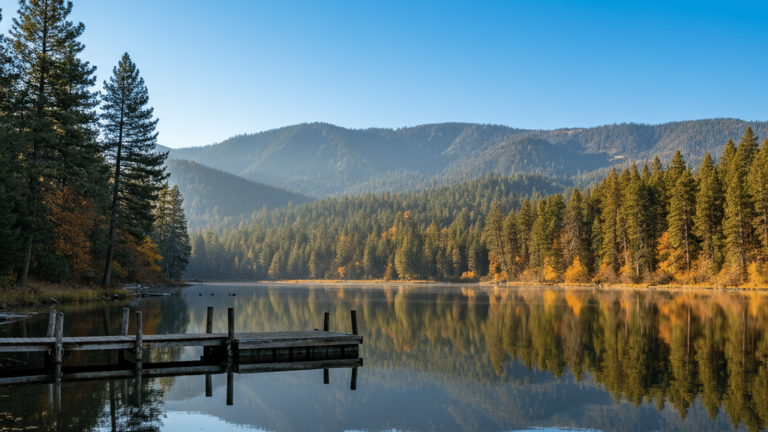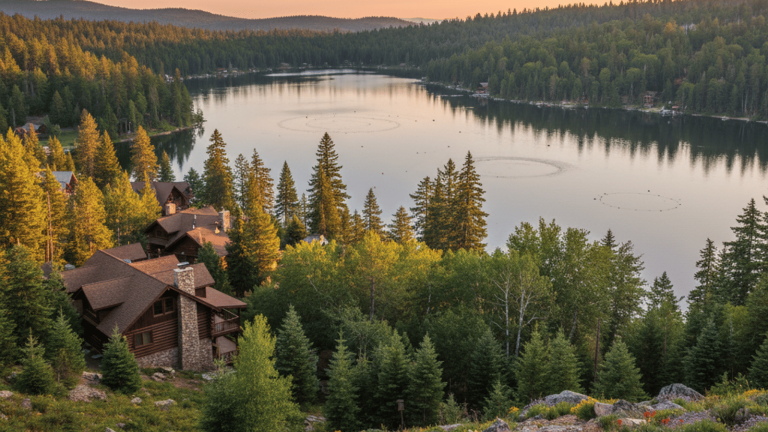
When you drive up the hill into the San Bernardino Mountains, the air changes instantly. It’s crisp, smells of pine needles, and offers a complete reset from the noise of the city below. But once you decide the mountain lifestyle is for you, the next big question is usually: which town?
For most buyers in early 2026, the choice narrows down to two neighbors that couldn\’t be more different: Lake Arrowhead and Running Springs.
Lake Arrowhead is the polished, resort-style community known for its private lake and alpine village charm. Running Springs, sitting just a bit higher up the road, is the quieter, more rustic “Gateway to the Mountains.” While they are only about 15 minutes apart, choosing between them dictates your daily budget, your commute, and whether your weekends are spent on a boat or hiking deep in the National Forest. Here is how these two mountain towns stack up right now.
Vibe and Community Atmosphere
The feel of these towns is distinct from the moment you park your car. Lake Arrowhead has been called “The Beverly Hills of the Alps,” and while that might be a slight exaggeration, the sentiment holds up. It is busier, with a distinct hum of activity around The Village. You see more commercial amenities, a steady stream of tourists, and a culture heavily focused on lake life and country club memberships. It is a place where people go to see and be seen, blending rustic architecture with a touch of luxury.
Running Springs offers a completely different energy. It feels more like a classic small town tucked into the forest. There is significantly less commercial development here, meaning fewer tourists stopping by—unless they are just passing through on their way to Big Bear. The vibe focuses on solitude, access to nature, and a slower pace. Residents here are often a mix of long-time locals and “weekend warriors” who want a cabin to escape to, without the pressure of a resort social scene.
Real Estate Market Comparison (2026)
The housing market is where the differences between these two areas become stark. As of early 2026, Lake Arrowhead continues to command a premium price tag. The median home price here sits roughly between $530,000 and $600,000, though this varies heavily depending on whether the property has lake rights. You will see a lot of A-frames that have been renovated into modern luxury lodges, alongside sprawling custom estates that overlook the water.
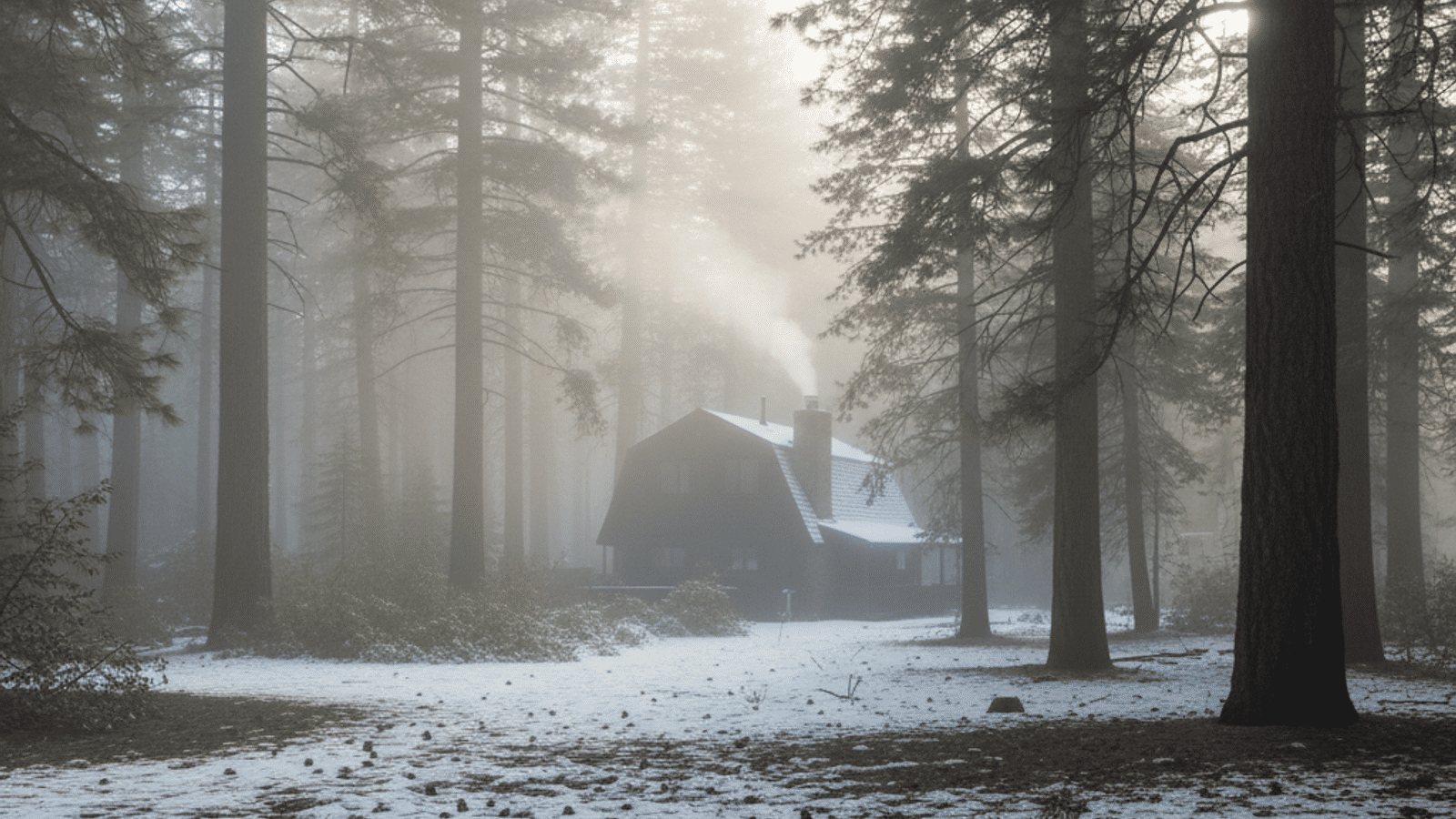
Running Springs remains one of the most affordable entry points for mountain living in Southern California. The median home price hovers in the $340,000 to $360,000 range. It is a popular spot for first-time mountain buyers or those who prioritize value over amenities. The housing stock here tends to be more modest, featuring many Gambrel-style cabins and smaller forest cottages that feel cozy rather than grand.
The rental landscape differs as well. Lake Arrowhead has a robust short-term rental market, though it is strictly regulated. Running Springs sees its fair share of vacation stays, but it is also a hub for long-term rentals and tenants looking for affordability. For a typical two-bedroom rental, you might look at around $2,100 per month in Lake Arrowhead versus roughly $1,950 in Running Springs.
The Lake Rights Factor: What Buyers Need to Know
This is the single most important detail to understand before looking at homes for sale in Lake Arrowhead. Lake Arrowhead is a private lake. You cannot just buy a house nearby and expect to put a boat in the water or even walk along the shoreline paths. Access is deeded exclusively to property owners within a specific boundary known as “Arrowhead Woods.”
If you buy a home inside the Woods, you are eligible for membership in the Arrowhead Lake Association (ALA). This is a tiered system. A General Membership costs about $160 per year and gets you access to the trails and fishing. If you want to swim at the beach clubs, that is closer to $460 per year. If you want a dock or slip, you are looking at $1,150 or more annually, plus significant transfer fees to acquire the slip rights in the first place.
Running Springs residents do not have these private lake rights. If you buy a home in Running Springs, you save on those ALA fees, but you won\’t have access to Lake Arrowhead’s water. Instead, residents often head to nearby Green Valley Lake (which is public) or drive further up to Big Bear Lake for water recreation.
Cost of Living Breakdown
Beyond the mortgage payment, the monthly cost of living looks different in each town. Both areas deal with high utility costs, particularly heating bills during the winter, but Lake Arrowhead residents often face higher water rates depending on their specific water district.
HOA and Membership Fees Running Springs generally has no mandatory HOA fees because most homes are on county land. In Lake Arrowhead, while the ALA fee is voluntary (you only pay if you want to use the lake), many buyers treat it as an essential part of the lifestyle. Additionally, some specific gated communities like Shelter Cove or gated golf course areas have their own mandatory monthly dues.
Snow Removal This is a non-negotiable expense in both towns. Unless you plan to shovel yourself out at 5:00 AM, you will need a plow contract. These typically run $400 to $800+ per season, depending on the length and slope of your driveway. Since Running Springs gets more snow, plow service is arguably even more critical there.
Groceries and Gas Everyday goods tend to be more expensive in Lake Arrowhead at stores like Jensen\’s or Stater Bros. You pay for the convenience of not driving down the hill. Running Springs has fewer options—mostly a smaller Jensen\’s and a few markets—which often forces residents to drive down to Highland or San Bernardino for major stock-up trips, adding to fuel costs.
Commuting and Accessibility
If you work down the hill, your commute will look very different depending on your home base. Running Springs is widely considered the superior location for commuters working in Redlands, Highland, or San Bernardino. It sits at the top of Highway 330, which is generally a straighter, shorter shot down the mountain than the winding Highway 18. The drive to Redlands can take about 25 to 30 minutes.
Lake Arrowhead requires taking Highway 18, the famous “Rim of the World Highway.” While scenic, it is windier and often clogged with tourist traffic on weekends. Reaching the freeway from Lake Arrowhead can take 35 to 45 minutes, and that\’s without weather delays.
Road conditions are another factor. Highway 330 (Running Springs) is a primary snow route, but because of the elevation, it can close during heavy storms. Highway 18 (Arrowhead) is the main artery and usually stays open, but it suffers from heavy “flatlander” traffic—visitors who aren\’t used to mountain driving—which can slow things down significantly.
Weather, Snow, and Elevation
Elevation dictates the weather here. Running Springs sits at approximately 6,000 feet, while Lake Arrowhead is lower, around 5,100 feet. That 1,000-foot difference is massive when a winter storm hits.
Running Springs gets significantly more snow. When it is raining in Lake Arrowhead, it is often dumping snow in Running Springs. This is great if you love a winter wonderland, but it means more shoveling and tougher driving conditions. Fog is also a major factor in Running Springs; heavy fog banks can roll in and reduce visibility to near zero, something commuters need to be prepared for.
In the summer, the elevation works in Running Springs\’ favor, keeping it slightly cooler. Lake Arrowhead can get warm enough for comfortable swimming and boating, contributing to that resort-summer feel.
Amenities, Dining, and Healthcare
Lake Arrowhead wins on convenience. It is home to Mountains Community Hospital, which provides emergency care and routine medical services. For retirees or those with health concerns, having a hospital just minutes away is a major peace of mind.
For shopping and dining, Lake Arrowhead Village is the commercial hub. It features outlet stores, a variety of restaurants, and the main grocery centers. You can essentially live in Lake Arrowhead without needing to go down the hill for weeks at a time.
Running Springs is much more limited. The town has a small cluster of businesses, including a few beloved local diners and the post office, but no large commercial center. However, regarding recreation, Running Springs is arguably better positioned for snow sports. It is the gateway to Snow Valley Mountain Resort and sits right next to the Children’s Forest, offering expansive hiking trails that feel less manicured and more wild than the private trails around the lake.
Schools and Education
Families in both towns are served by the Rim of the World Unified School District. The commute for students is a key consideration. Rim of the World High School is physically located in Lake Arrowhead, making the morning drop-off much shorter for students living in the Woods.
Running Springs has its own elementary school, Charles Hoffman Elementary, which is well-regarded by locals for its smaller, tight-knit community feel. However, older students in Running Springs will need to catch the bus or drive over to Lake Arrowhead for high school. Parents should keep in mind that mountain school buses navigate winding roads, and winter delays or “snow days” are a regular part of the school year calendar.
Pros and Cons Summary
If you are still on the fence, here is how the choice breaks down at a glance.
Lake Arrowhead Pros:
- Exclusive private lake access and boating.
- Proximity to Mountains Community Hospital.
- More dining, shopping, and commercial amenities.
- Prestigious resort atmosphere.
Lake Arrowhead Cons:
- Higher cost of housing and cost of living.
- ALA membership fees and strict rules.
- Heavy tourist traffic on weekends.
- Longer, windier commute to the freeway.
Running Springs Pros:
- More affordable real estate entry point.
- Easier commute to Redlands via Highway 330.
- Quieter, small-town vibe with fewer tourists.
- Immediate access to Snow Valley and National Forest trails.
Running Springs Cons:
- No private lake access.
- Fewer local amenities and dining options.
- Heavier snowfall requires more maintenance.
- Prone to dense fog and weather-related road closures.
FAQs
Running Springs gets more snow because it sits at a higher elevation (approx. 6,000 feet) compared to Lake Arrowhead (approx. 5,100 feet). It is common to see rain in Arrowhead while it is snowing in Running Springs.
Yes, generally speaking. Home prices in Running Springs are significantly lower—often by $200,000 or more for comparable square footage—and you avoid the extra costs associated with Arrowhead Lake Association memberships.
No, Lake Arrowhead is a private lake. Access to the water, beaches, and trails is restricted to property owners in “Arrowhead Woods.” Running Springs residents typically use Green Valley Lake or Big Bear Lake for water recreation.
Running Springs is usually the better option for commuters heading to San Bernardino or Redlands. Highway 330 offers a more direct and straighter route down the mountain compared to the winding “Rim of the World” Highway 18 used by Lake Arrowhead residents.
Yes, absolutely. By law, you must carry chains in your vehicle during winter months in the San Bernardino Mountains, regardless of which town you live in. CHP checkpoints are common during storms, and residents often invest in 4WD or AWD vehicles with snow-rated tires.