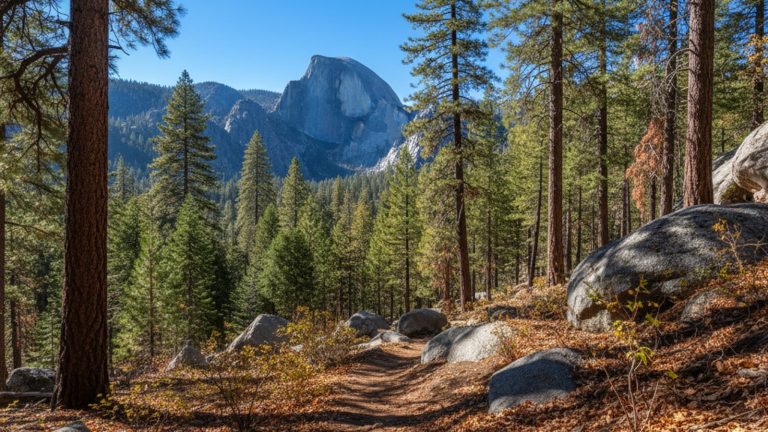
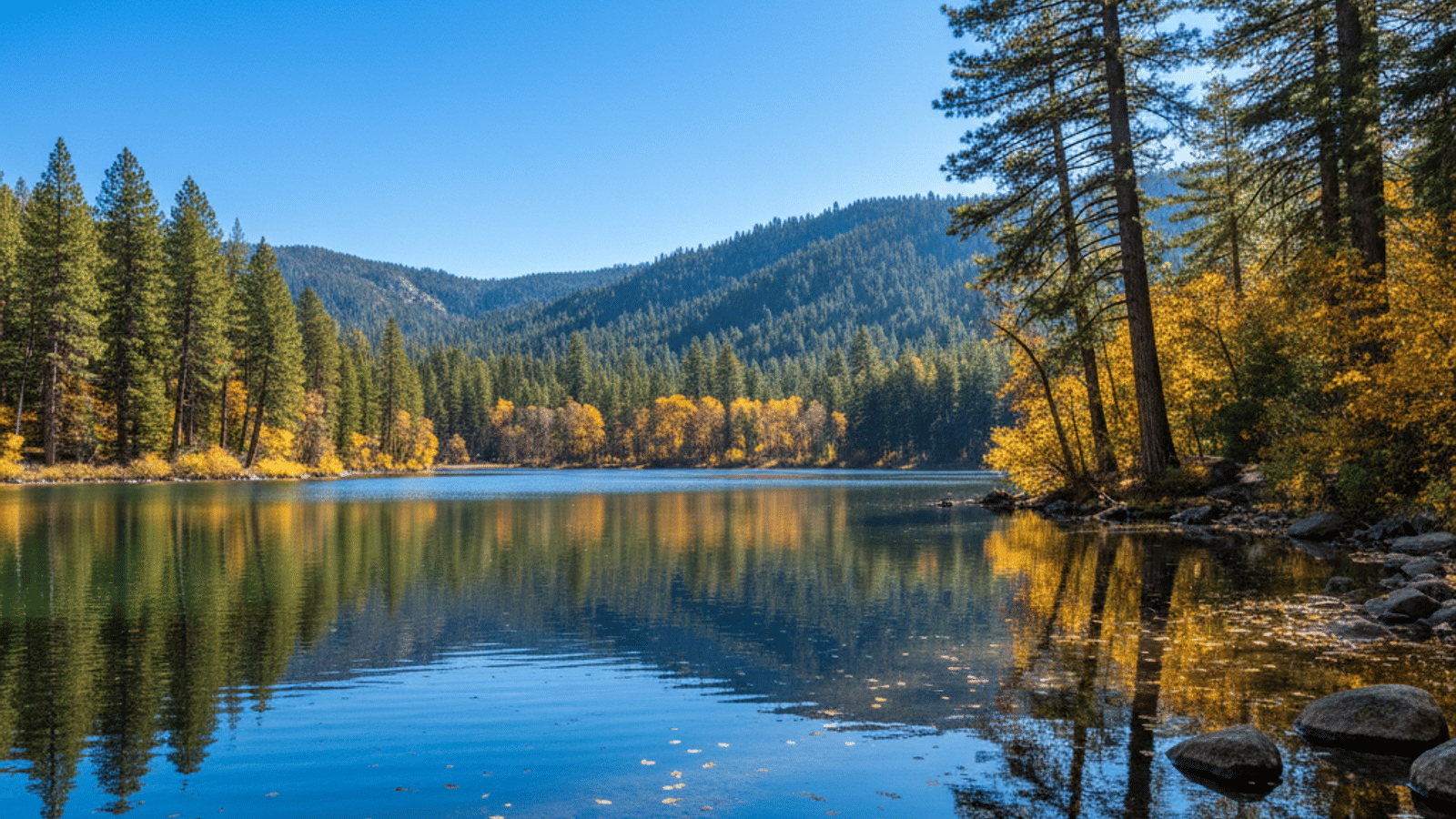
Lake Arrowhead sits in the San Bernardino Mountains, surrounded by tall trees and a private lake in the center. When people ask if it is safe, they are usually thinking about two things at once. One is crime, the other is wildfire, storms, and mountain roads. If you want to buy a home in Lake Arrowhead, you’ll get the clearest picture when you look at both.
What Are The Official Crime Rates in Lake Arrowhead?
Lake Arrowhead is large enough to generate meaningful crime statistics, but still small enough that a handful of extra reports in a given year can shift the numbers.
Taken together, the data points to a community that sits close to the national average overall, with a slight tilt toward more violent reports and fewer property-related cases once population size is factored in.
How Does Crime In Lake Arrowhead Compare To U.S. Averages?
Because each group that studies crime uses its own system, the exact figures do not always match. What lines up is the general picture. One national source describes Lake Arrowhead’s overall crime rate as close to the middle for U.S. communities and lower than many California places of similar size. Another says the town sits a little better than the U.S. average once all crime types are added together.
In simple terms, violent crimes per person are a bit higher than the national midpoint, while property crimes per person are a bit lower. That means the risk of being a victim of crime in Lake Arrowhead is real, but not extreme compared with a typical town in the United States. When you compare Lake Arrowhead to some of the larger California cities in the statewide crime report for 2024, the mountain town usually shows lower crime per person than many big metro areas.
How Does Crime In Lake Arrowhead Compare To Nearby Areas?
Lake Arrowhead is part of a group of mountain communities in San Bernardino County. They share law enforcement and see many of the same patterns, especially with property crime and seasonal visitors. One crime mapping site uses letter grades instead of raw numbers. It places Lake Arrowhead roughly in the middle, with a weaker grade for property crime and a similar grade for violent crime, which means the town is not at the top or bottom of the chart.
That same source shows that nearby places with similar size and income levels, such as Blue Jay, Cedar Glen, Crest Park, and Crestline, often land in a similar range. Some small areas, like Skyforest and Twin Peaks, show slightly stronger grades, which may reflect fewer reported cases or different land use. The main point is that Lake Arrowhead does not stand out as a high crime hotspot among nearby towns. It tends to sit somewhere in the middle for this stretch of the mountains.
How to Research Crime Data for Specific Neighborhoods in Lake Arrowhead?
If you want more detail, there are a few simple ways to look at crime in a particular part of town. Several national crime sites publish maps for Lake Arrowhead that color code areas and list how many violent and property crimes happen per 1,000 people. Some also estimate the odds of being a victim in that part of town. This helps turn a general crime rate into a more focused view by block group or zip code.
On the official side, the San Bernardino County Sheriff’s Department, which covers Lake Arrowhead, shares reports and public safety information. You can use those reports together with the national maps to see how many incidents are recorded, what types of crime are most common, and how reporting changes over each calendar year. Looking at more than one source at the same time gives a more balanced picture than focusing on a single chart.
Who Provides Law Enforcement and Emergency Services?
Lake Arrowhead is not an incorporated city, so it does not have its own police department. Law enforcement comes from the San Bernardino County Sheriff’s Department through the Twin Peaks Station. That station covers Lake Arrowhead, Crestline, Running Springs, and about 125 square miles of mountain terrain. Deputies handle routine patrols, traffic stops, reports of theft or assault, and most first response calls in town.
The Sheriff’s Department also has special teams that are important in the mountains, including aviation units, search and rescue teams, and emergency response groups. These units help when a call involves steep slopes, snow, lost hikers, or serious crashes. Residents are used to seeing marked vehicles on the main roads and in the village areas, and the station stays in touch with the community by posting updates and safety notices.
Is There A Community Watch in Lake Arrowhead?
Safety in Lake Arrowhead is not only about formal patrols. The Sheriff’s Department supports volunteer programs that help with search and rescue and neighborhood patrols across the mountain communities. These volunteers assist deputies, keep an eye on public spaces, and often help during big events or storms. Informal watch behavior is common too, people tend to notice what happens on their street and share information when something looks off.
The San Bernardino County Fire Protection District plays a major role as well. It runs public education efforts, talks about defensible space and home hardening, and maintains tools like the Ready SB app that sends alerts about wildfires, storms, and evacuations. Together, law enforcement, fire services, and local habits form a loose community watch that covers both crime and natural hazards.
FAQs on Lake Arrowhead Crime & Safety
Putting several sources together, Lake Arrowhead’s overall crime rate is close to the national average. One group says the town sits a bit below the U.S. average, while another says it is almost right in the middle. Violent crime is a little higher than the national midpoint, and property crime is a little lower. For a resident, this usually feels like a typical small town in terms of crime risk, not a place with unusually high or unusually low crime.
Most reported incidents fall into the property crime category. That includes things like theft, burglary, and car break-ins. One crime site estimates about 20.86 property crimes per 1,000 residents in a typical year, with theft as the largest slice. Violent crimes do happen but are less frequent, which matches what you see in many towns with a mix of full-time residents and visitors.
When you line up Lake Arrowhead next to larger California cities, especially big valley or coastal centers, the mountain town usually shows lower crime per person. Larger cities often struggle with higher rates of violent and property crime because of size, density, and more complex economic conditions. Lake Arrowhead’s crime picture looks more like a small town than a big city, even though it shares some of the same state-level laws and reporting rules.
In Lake Arrowhead, many people worry about wildfire as much as, or more than, crime. State fire maps place much of the surrounding forest in high or very high fire hazard zones. A national climate group also labels Lake Arrowhead as having a serious wildfire risk over the next 30 years. That does not predict a fire in any one year, but it does explain why there is so much focus on clearing brush, building defensible space, and following evacuation plans.
Some crime maps mark central parks, shopping areas, or lakefront gathering spots in darker colors. This can look worrying at first glance. In many cases, the map is reacting to the way numbers are calculated, they use crimes per resident, but these areas have few full-time residents and lots of visitors. That can make a park or village center look like a higher crime zone even though people mostly experience it as a busy public place.
Most of the advice here is simple and familiar. Lock cars, close and secure doors and windows, avoid leaving valuables in plain view, and use outdoor lights where needed. Paying attention to what is normal on your street and calling in unusual activity helps too. Many people in Lake Arrowhead also keep local alert apps on their phones so they get quick updates about both crime and wildfire issues.
Crime studies often look at money and jobs when they try to explain why some areas have more crime than others. Public data shows that Lake Arrowhead sits in the middle range for median household income and poverty for a mountain town in California. Economic stress can add pressure in any community, but crime numbers also depend on how much is reported, how active local patrols are, and how many people come and go during each season. It is one part of the picture, not the whole story.
Red areas on commonly used maps usually reflect higher crime per capita, not a guarantee that a park or center of town is unsafe. These tools often include nearby cities, median household income, poverty, and unemployment to explain vulnerability and risk, but they are still estimates rather than precise predictions.