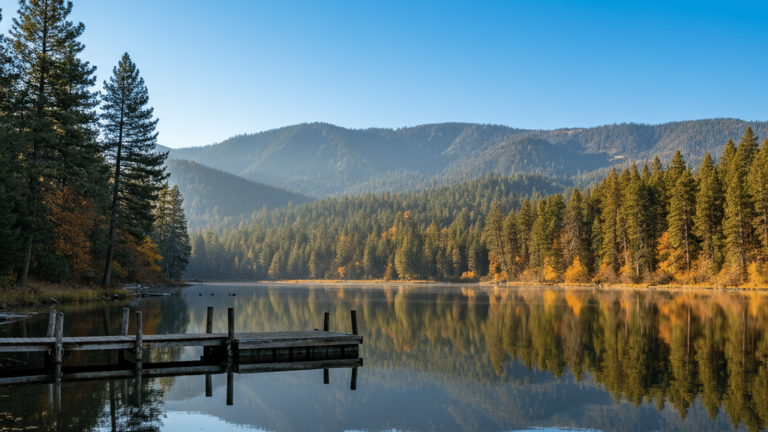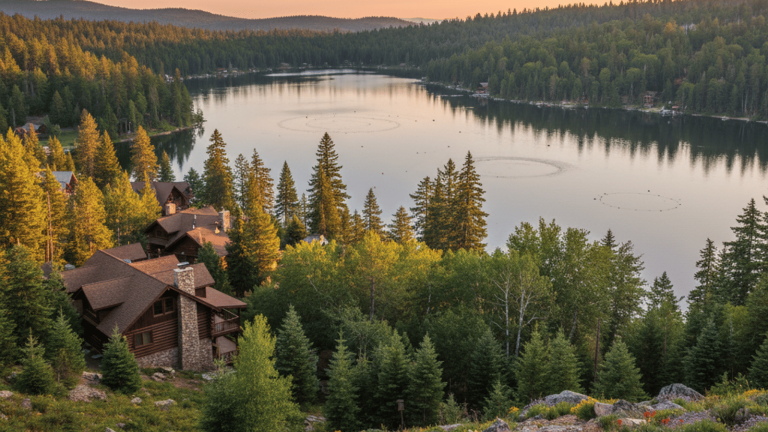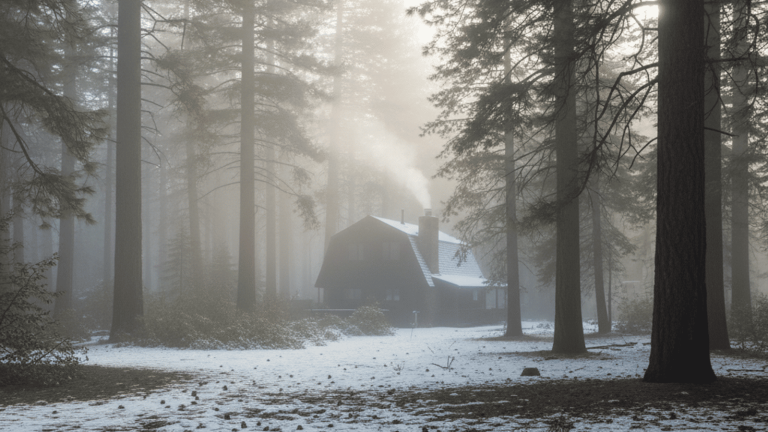

There is a specific allure to mountain living that captures people from the “flatlands.” You imagine coffee on the deck surrounded by pines, the scent of cedar in the air, and escaping the relentless Southern California traffic. But making the jump from dreaming about a cabin to actually owning one requires a different playbook than buying a condo in Irvine or a tract home in Riverside.
As of early 2026, the real estate market here has stabilized significantly. Inventory levels are higher than we’ve seen in years, which is great news for buyers. However, the slower market pace means you have time to be picky—and you should be. Buying here comes with unique layers of complexity, from “lake rights” to snow logistics and the ever-present challenge of fire insurance.
This guide is your roadmap to navigating the purchase of your first home in Lake Arrowhead, with a focus on the specific financial and practical realities of the 2026 market.
Is Lake Arrowhead Right for Your First Home?
Before we dive into interest rates and down payments, we need to have a candid conversation about lifestyle. Living on the mountain is rewarding, but it requires a shift in mindset.
First, consider the commute. If you plan to keep your job down the hill, you need to be comfortable driving Highway 18 (the Rim of the World) in all conditions. In the summer, it’s a scenic drive. In the winter, it can mean chain controls, black ice, and heavy fog.
Then there is the reality of the seasons. We experience true four-season weather here. Snow is beautiful on a postcard, but owning a home means you are responsible for removing it. You will either need to hire a plow service or be physically prepared to clear your own berms and walkways.
Finally, think about the pace. It is significantly quieter here than in the city. While we have grocery stores, a hospital, and great restaurants, the amenities are different. If you thrive on 24-hour convenience, the adjustment can be jarring. If you crave solitude and community connection, however, you’ll fit right in.
2026 Market Snapshot: Prices & Competition
If you tried to buy a home here in 2021 or 2022, you might remember bidding wars and waived inspections. Fortunately, the 2026 market looks very different.
Price Stabilization Currently, median sale prices for starter-to-mid-range homes are hovering between $530,000 and $640,000, depending heavily on the neighborhood and the condition of the property. While prices haven’t crashed, they have stopped their runaway ascent, making budgeting much more predictable.
Inventory and Pace Inventory is up roughly 20% compared to previous years. More importantly, the market velocity has slowed down. Homes are currently averaging 90 to 130 days on the market.
What this means for you: You have leverage. Sellers are no longer expecting ten offers in the first weekend. In today’s climate, sellers are much more open to negotiating. We are seeing offers accepted that include requests for closing cost credits, repairs, and prolonged escrow periods—things that were unheard of a few years ago.
First-Time Buyer Loan Programs (2026 Edition)
Financing a home in the mountains can be slightly different than in urban areas, but there are excellent programs available if you know where to look.
- CalHFA Dream For All The California Dream For All program is back for early 2026. This is a shared appreciation loan that can provide up to $150,000 or 20% of the purchase price for a down payment.
- The Catch: It is no longer first-come, first-served; it operates on a lottery voucher system.
- Eligibility: For the 2026 round, there is a strict requirement that you must be a first-generation homebuyer (meaning your parents did not own a home in the US, or you grew up in foster care), in addition to being a first-time buyer. USDA Loans Many buyers don’t realize that Lake Arrowhead often qualifies as “rural” territory for USDA loans. These loans can offer 0% down payment options for eligible properties. You will need to check the specific address against the eligibility map, but this is a fantastic route for buyers with moderate income.
FHA Loans FHA loans are popular because they allow for lower credit scores (often down to 580) and a 3.5% down payment. However, FHA appraisers are strict about property condition. In a market full of vintage cabins, issues like peeling paint, shaky deck railings, or roof moss can flag a property. If you go FHA, look for homes for sale in Lake Arrowhead that have been recently renovated or well-maintained.
The Elephant in the Room: Fire Insurance
We cannot talk about buying in Lake Arrowhead without addressing the biggest hurdle: fire insurance. This is the single most critical factor to investigate before you make an offer.
The Reality Most standard insurance carriers (like State Farm or Allstate) have paused writing new policies in high fire-risk areas. As a result, most new buyers in 2026 utilize the California FAIR Plan. Think of this as the “insurer of last resort.”
The Cost You need to budget significantly more for insurance here than in the valley. The FAIR Plan rates are proposing a hike of roughly 35.8% effective April 2026. This can push annual premiums anywhere from $3,000 to over $8,000 depending on the home’s fire score and coverage amount.
Difference in Conditions (DIC) The FAIR plan generally covers fire and smoke only. You will need a second policy, called a “Difference in Conditions” (DIC) policy, to cover theft, liability, and water damage.
Pro Tip: Do not wait until the last minute. Get insurance quotes before you make an offer. A high insurance premium impacts your debt-to-income ratio and could disqualify you from your loan if not calculated early.
Understanding “Lake Rights” and Arrowhead Woods
You will often see listings advertised as having “Lake Rights.” This is a major value driver, but it’s often misunderstood by first-time buyers.
The Distinction Not every home in Lake Arrowhead has lake rights. These rights are attached to the deed of the land and are generally limited to properties within the subdivision known as Arrowhead Woods. If you buy outside this boundary, you cannot launch a boat or access the private beach clubs, though you can still visit the public areas of the Village.
Arrowhead Lake Association (ALA) If your home has lake rights, you are eligible to join the ALA. Membership fees are required to use the trails, beach clubs, and fish or boat on the lake.
The Architectural Committee (AWAC) Living in Arrowhead Woods also typically means you are under the jurisdiction of the Arrowhead Woods Architectural Committee (AWAC). They enforce rules on tree removal (very strict!) and exterior paint colors to keep the “mountain aesthetic.”
- 2026 Update: As of January 2026, a few specific tracts have actually exited AWAC jurisdiction. When looking at Arrowhead Woods homes for sale, ask your agent to verify if the specific property is still subject to AWAC oversight.
Step-by-Step Buying Process in the Mountains
The transaction process here has a few extra steps compared to a standard suburban purchase.
- Local Pre-Approval: It is highly recommended to use a local lender. They understand the nuances of the FAIR Plan, private roads, and cabin-specific appraisals that out-of-town big banks often get stuck on.
- The Search: Try to view homes in different weather conditions. A driveway that looks steep in July might be impossible in January.
- The Offer: In your offer, don’t just ask for the washer and dryer. In the mountains, it’s common to ask the seller to include the snow blower or the backup generator.
- Inspections: Beyond the standard home inspection, we look at the “Big 4”:
- Septic: Many cabins are on septic tanks, not sewer. You need a certification.
- Roof: Checking for snow load damage.
- Pest: Termites and beetles love wood cabins.
- Decks: Decks are high-maintenance; checking structural integrity is non-negotiable.
- Closing: Escrows here typically run 30–45 days, but can go longer if there are delays in processing the FAIR plan application.
Hidden Costs to Budget For
When calculating your monthly payment, don’t forget to add these local expenses to your mortgage calculator:
- Utilities: Heating a poorly insulated 1930s cabin can be pricey. Check if the home uses natural gas (cheaper) or propane (more expensive and requires tank refills).
- Snow Removal: If you don’t do it yourself, an annual snow plow contract generally starts around $500+ per season, or you can pay per “push.”
- ALA Fees: If you want to use those lake rights, budget for the annual membership dues plus boat registration fees if applicable.
- AWAC Fees: If you plan to paint your house or build a fence in the Woods, you’ll need to pay for permits.
Next Steps for 2026 Buyers
Buying your first home in Lake Arrowhead is an adventure, but it’s one that requires preparation. The 2026 market offers a rare window of opportunity with stabilized prices and less competition, giving you the breathing room to make a smart decision.
However, the cost of entry—specifically regarding insurance—means you need to be financially savvy. The best first step is to connect with a local agent who knows the specific tract boundaries, the insurance brokers, and the lenders who can get deals done on the mountain.
FAQs
No, you do not need 20% down. Many first-time buyers in the area successfully use FHA loans (3.5% down) or conventional loans (3% to 5% down). There are also 0% down options through USDA loans if the property location and your income qualify.
“Lake Arrowhead” describes the general town and zip code, while “Arrowhead Woods” is a specific subdivision within the town. Only properties located inside Arrowhead Woods possess deeded lake rights, which grant access to the private lake, beaches, and trails managed by the ALA.
Insurance costs vary widely based on the home’s value and fire risk score, but you should expect to pay significantly more than in non-mountain areas. With the FAIR Plan rate adjustments in 2026, annual premiums often range between $3,000 and $8,000. It is vital to get a specific quote for any home you are serious about.
Yes, you can use the CalHFA Dream For All program here if you meet the credit and income limits. However, for 2026, remember that the program uses a lottery voucher system and requires at least one borrower to be a first-generation homebuyer.