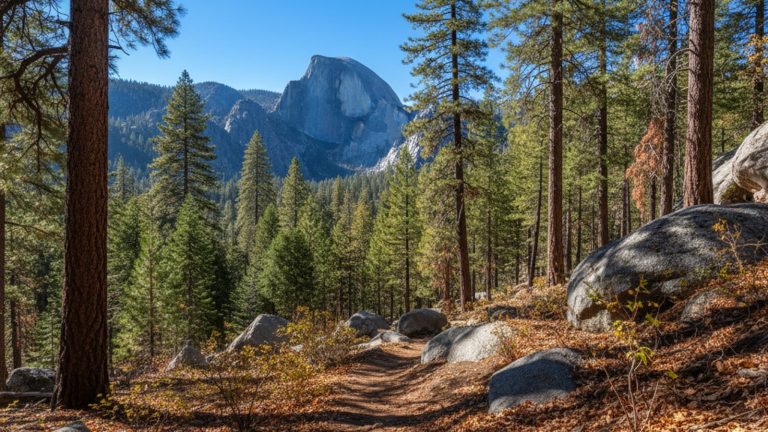

Lake Arrowhead sits up in the San Bernardino Mountains around a private reservoir, and living there feels different than life down in the valley. Weekends and holidays swell with visitors and lake traffic, weekdays settle into a quieter pace, and that rhythm shows up in what you pay for housing in Lake Arrowhead, groceries, utilities, and services.
Is It Expensive To Buy A Home In Lake Arrowhead?
Buying in Lake Arrowhead is usually more expensive than many inland towns because you are paying for location, lake access, and a distinct mountain market. Currently the median sale price sits at $640,833. That number covers a wide range, from small cabins to larger lakefront homes, so your target price will hinge on lake rights, driveway slope, and parking.
Prices can vary sharply by neighborhood and by lot features, so expect to pay a premium for level entry or direct dock access. Inventory also moves in a seasonal rhythm, with out-of-area buyers pushing prices during the busier months; that can make competition stiffer for the right property.
What is the Average Rent in Lake Arrowhead?
Lake Arrowhead’s rental market is small and variable, but average asking rent is around $2,497. Short-term and vacation-style rentals skew the visible listings, so long-term rents for a typical 1 to 2 bedroom unit will often fall below that average, while furnished lakefront options command much higher rates.
Because rental supply is limited, expect a wide spread between modest long-term units and high-end short-term offerings. If you plan to rent rather than buy, build in some flexibility for seasonality and cleaning or management fees.
What Are The Taxes In Lake Arrowhead?
California property tax follows the Proposition 13 framework, where the basic rate is 1 percent of assessed value plus any voter-approved local bonds or assessments, per the California Board of Equalization guidance. In practice that means your tax bill starts near one percent and then rises based on local measures or special assessments that vary by parcel.
San Bernardino County administers local assessments and collects property taxes for schools and special districts, so two houses with the same assessed value can still show different total bills depending on local bonds. Use the county assessor tools to pull exact tax bill history for a parcel before you finalize an offer.
How High Are Property Taxes in Lake Arrowhead?
There is no single flat number that fits every property, but the core rule is clear, Proposition 13 sets the base at one percent of assessed value, with added voter approved debt tacked on, per the California Board of Equalization. For many parcels that produce an effective rate near one percent plus modest local charges, though parcels inside special districts or with voter bonds will see higher totals.
If you are considering a purchase, ask the seller for recent tax bills and check the county assessor’s record. That gives you the exact annual obligation and any special assessments that apply to that lot.
What Are the Average Monthly Utility Bills in Lake Arrowhead?
Electricity in California runs noticeably higher than the national average, and state level trackers show residential rates near 30 cents per kilowatt hour in late 2025, per energy price summaries. That means basic electric bills for an all-electric household will be materially higher than many inland communities, particularly in winter if you use electric heat.
Water service in Lake Arrowhead is provided by the local community services district for many neighborhoods, and the district uses tiered pricing where bills rise with usage; the district posts its tier structure and fixed monthly charges so you can estimate a household bill based on expected consumption. Many mountain homes also use propane or wood for heating and backup systems, so include those fuel costs if your property relies on them.
How Much Should I Budget for Groceries in Lake Arrowhead?
Grocery prices in mountain towns tend to run higher than large metro centers because of transport and smaller store footprints. Local supermarkets such as regional chains and smaller grocers serve the area, and price premiums for perishable items are common compared with big-box supermarkets down the hill.
A practical budgeting approach is to expect modestly higher grocery bills than the national average, and to plan occasional trips to larger supermarkets in the valley for bulk purchases. If you prefer convenience and local stores, factor that premium into monthly food costs rather than assuming valley prices.
How Much Does Transportation Cost in Lake Arrowhead?
Most residents rely on private vehicles, and AAA’s 2025 cost estimates show average annual ownership and operating costs around eleven thousand dollars, which converts to roughly the cost per mile and monthly ownership picture many households use for budgeting, per AAA. Gas prices, seasonal travel, and occasional chain or ferry-like weekend congestion to and from the lake will all push your monthly transportation spend above what a strictly local commute might require.
If you commute into the valley regularly, add in longer drives and the risk of weather or fire-related closures that can extend trips. There is limited public transit in the immediate area, so plan for car ownership plus maintenance and winter-ready tires or chains when applicable.
What is the Median Household Income in Lake Arrowhead?
Local compilations show median household income around $88,147 for Lake Arrowhead in 2025, per local cost-of-living profiles and market summaries. That places typical local earnings near the middle of regional income distributions, but housing costs and household composition produce large variations in affordability across households.
When you compare local income to housing costs, a median income does not automatically translate to mortgage readiness, especially if you target lake-access properties. Look at your full monthly obligations and run a realistic housing budget that includes property taxes, insurance, utilities, and maintenance.
What is the Recommended Income to Live In Lake Arrowhead?
There is no one-size-fits-all threshold, because housing choices and household size vary widely. As a rule of thumb, if you plan to buy a median-priced home you should model scenarios that include a down payment, property tax at roughly one percent of assessed value plus local assessments, higher-than-average electricity and water bills, and extra transportation costs for valley commutes. Households that can cover those items and still save for routine maintenance and reserves will be best positioned for mountain ownership.
If you are renting, target a rent level where monthly housing costs fit within your broader budget after accounting for higher local goods and services.
How Does the Cost of Living in Lake Arrowhead Compare to the National Average?
Overall, Lake Arrowhead runs above the national average on housing and utilities, and closer to or slightly above average on groceries and transportation, depending on personal habits and shopping patterns. Recent market data shows elevated home values and rents relative to many non-mountain towns, so housing is the main driver of higher local costs.
If you compare budgets line by line, the largest differences show up in housing, energy, and occasional premium pricing for local services. Those differences mean that anyone moving here should run a full budget rather than rely on single line items.
FAQs
Homeowners insurance depends on replacement cost and wildfire exposure; policies for mountain homes commonly include higher premiums and stricter underwriting if a property is in a high risk zone. Get quotes from carriers familiar with mountain and wildfire risk to see the precise numbers for a given address.
Yes. Many older or more remote properties rely on propane for heating and septic systems for wastewater; both are recurring expenses and require routine service and occasional capital repairs, so include them in your maintenance budget.
They can. Doing bulk runs to valley supermarkets lowers per-unit cost but adds travel time. Grocery delivery or local shops add convenience but usually carry a price premium, so combine both approaches if you want to balance cost and convenience.
Yes. Winter may require chains, snow removal, and higher heating bills. Wildfire season can raise insurance costs and sometimes require defensible-space work that is an up-front expense. Budget for both seasonal and safety-related spending.
It depends on where you work and how flexible your schedule is. Commutes add fuel, wear on vehicles, and time costs; they can be manageable for remote-capable jobs, but daily long drives are a real lifestyle and expense factor to weigh.
A simple way to start is by listing the big recurring items first, like your mortgage or rent, property taxes, and insurance. From there, factor in utilities, especially since electricity and water can run a bit higher in a mountain community. Groceries, fuel, and day-to-day transportation come next, followed by a small set-aside for routine upkeep and the occasional weather-related expense.