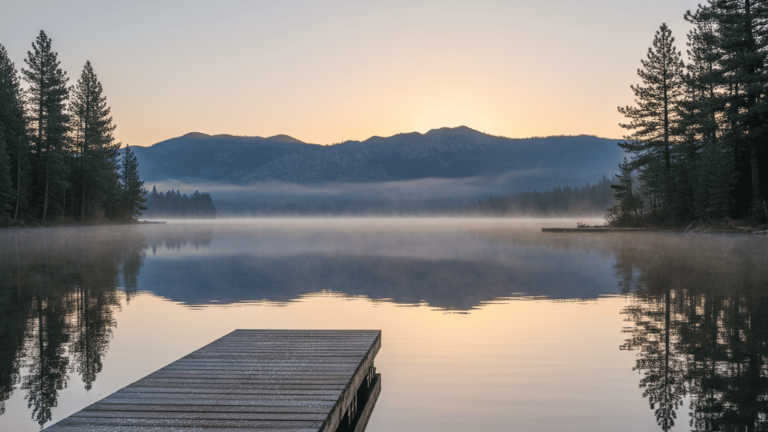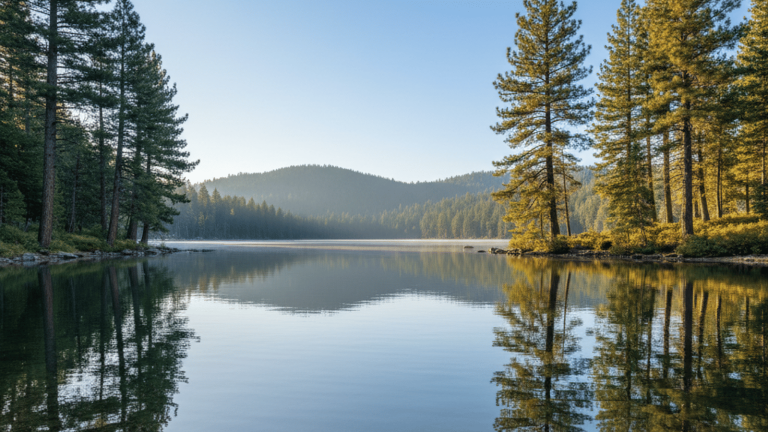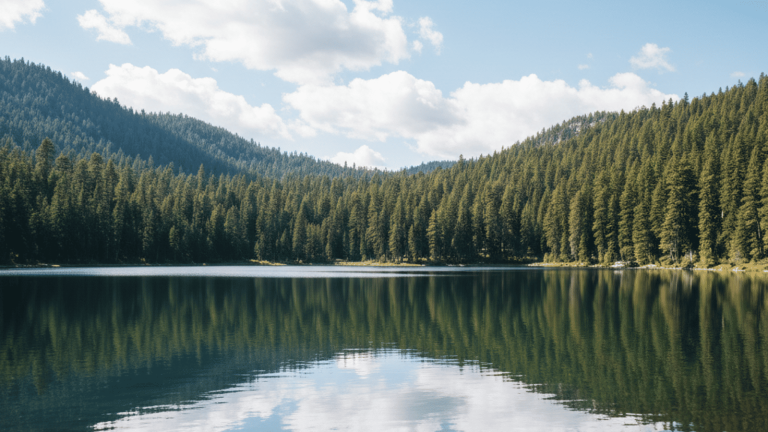
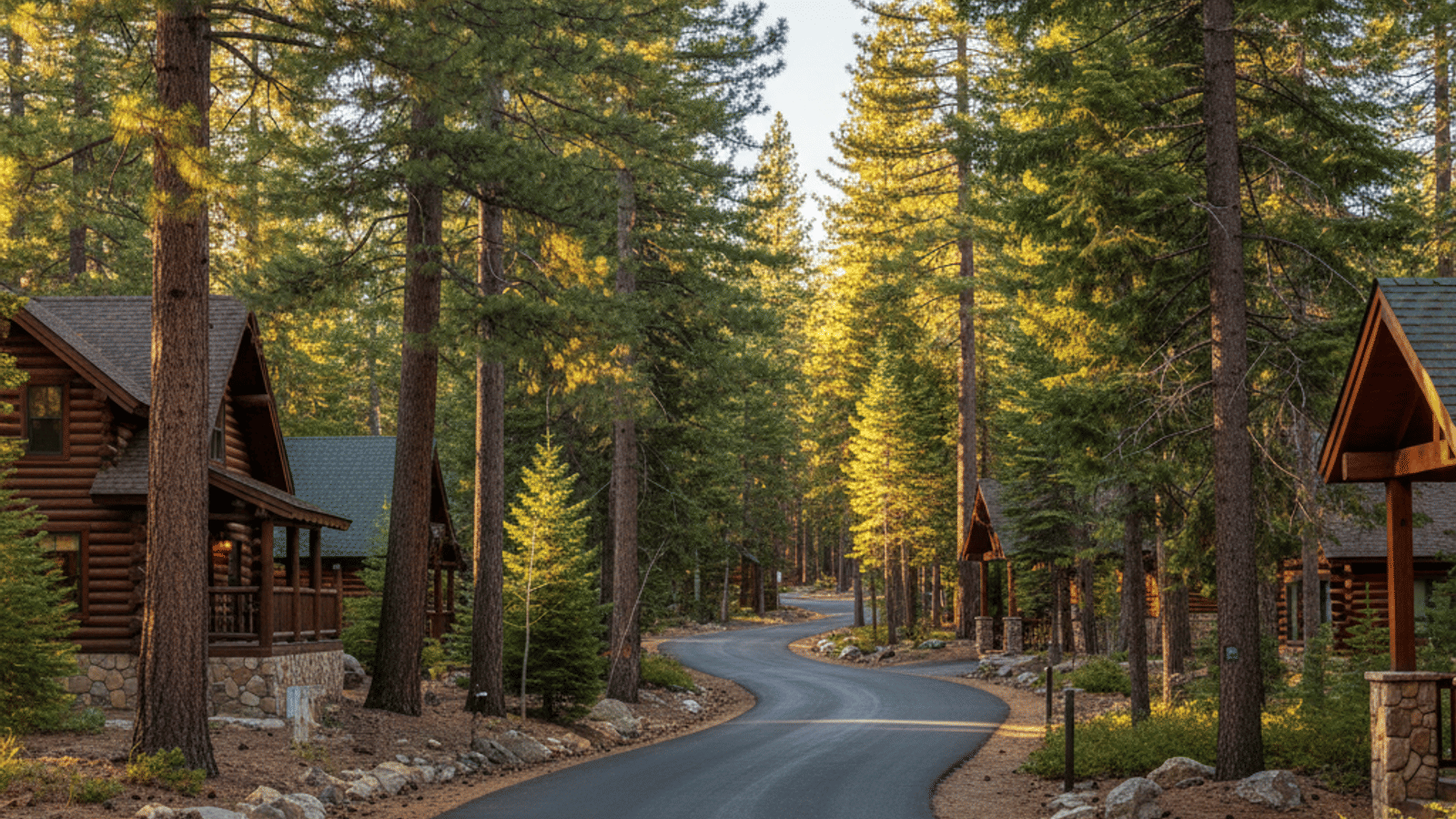
Lake Arrowhead sits in the San Bernardino Mountains in San Bernardino County, wrapped in forest and clustered around a private lake. The area feels more like a mountain village than a big California city, with winding roads, tall pines, and pockets of cabins and homes tucked into the hillside. If you want to buy a home in Lake Arrowhead, the real question is not whether the place is appealing, but which neighbourhood and setting fit the way you like to live.
Why Is Lake Arrowhead a Desirable Place to Live?
Lake Arrowhead attracts people who want a mountain environment without being completely off the map. You get a mix of forest scenery, access to the water, and small commercial centers that cover everyday needs. Lake Arrowhead Village and nearby Blue Jay bring grocery stores, restaurants, and basic services into one area, so a resident does not have to drive down to the valley for every errand. The surroundings stay green for much of the year, and you are never far from a trail, a park, or a quiet spot under the trees.
What Are the Top 5 Most Popular Neighborhoods in Lake Arrowhead?
Lake Arrowhead is not one uniform place to live. It is a cluster of neighbourhoods and surrounding areas, each with its own atmosphere, home styles, and price points. Below are five of the best known and most popular, the ones that often show up when people search “best places to live in Lake Arrowhead” or open a map of the best spots near the lake.
- Blue Jay: Blue Jay sits near the center of the local road network and functions as a small town hub, with a grocery store, specialty shops, casual eateries, and everyday services clustered in a walkable core. Housing spreads into the surrounding woods, ranging from older cabins to modest single-family homes on sloped lots, creating prices that run from more affordable mountain options to mid-range Lake Arrowhead homes depending on age and views. Many residents choose Blue Jay for its convenience, easier winter access, and short drives to essentials, making it a practical choice for anyone who wants a balance of daily amenities and quick proximity to the lake and forest.
- Lake Arrowhead Village and Surrounding Hills: The hills around Lake Arrowhead Village offer the classic lakeside setting most people imagine when they picture the area, with homes that often include lake rights and sit near marinas, shops, and the shoreline path. Prices tend to be on the higher side due to the resort-style atmosphere and the ability to walk to dining, events, and lakeside gathering spots. Housing ranges from tucked-away cabins to larger full-time residences and luxury properties, and while the area sees more activity and seasonal traffic, the tradeoff comes in the form of lake views, amenities, and an easy connection to the heart of the community.
- Cedar Glen: Cedar Glen sits on the east side of the lake and feels more wooded and tucked away, with winding roads that climb into quiet forest pockets and a smaller commercial strip for basic needs. Homes here can be close to the Lake Arrowhead median price, with a mix of cabin-style properties and larger homes with stronger views or bigger lots. Its slower pace, tall trees, and limited through-traffic make it appealing to those who want more peace while still staying within a short drive of the lake and village, though slope and winter access often play into the decision.
- Skyforest: Skyforest stretches along the highway toward Running Springs and has an open, airy feel with a mix of sky, trees, and roadside businesses that give it a bit of vintage mountain-highway character. Homes range from older wood structures to updated cabins and remodeled properties, often priced from mid-range to higher depending on land and improvements. Because it sits along a main road, access is easier than in deeper forest neighborhoods, and residents often choose Skyforest for its balance of quicker travel, small local businesses, and proximity to both Lake Arrowhead and nearby mountain towns.
- Twin Peaks: Twin Peaks lies slightly farther from the lake but still feels very much part of the Lake Arrowhead community, offering a more residential and less tourist-oriented environment. Housing options include cabins, single-family homes, and rentals that tend to be more affordable than lake-adjacent areas, and neighborhood-level data shows a mix of middle-income households with relatively low reported childhood poverty. Its location gives residents easy access to both Lake Arrowhead and Crestline, making it a practical choice for those who want forest surroundings, manageable drive times, and a quieter daily rhythm.
What Are Some Up and Coming Neighborhoods in Lake Arrowhead?
Around Lake Arrowhead, “up and coming” usually means parts of the area where buyers and investors are just starting to pay more attention, often because home prices and cost of living feel more approachable. Areas like Crest Park, Arrowhead Villas, and Deer Lodge Park fit that description. They sit near Lake Arrowhead and share much of the same forest environment and mountain scenery, but many homes there are older or more modest, which can keep prices somewhat lower on average.
These neighbourhoods also offer opportunity for renovation and long term equity growth. As remote work becomes more common and people look for places to live in Lake Arrowhead that are still relatively affordable compared with other California mountain towns, interest in these quieter corners continues to grow. For a resident who values green surroundings, a calmer atmosphere, and a bit more space between neighbours, the tradeoff of slightly longer drives for groceries or entertainment can make sense.
How to Choose the Right Neighborhood For You?
Choosing the best neighborhoods in Lake Arrowhead is less about a fixed ranking and more about matching your own preference to the character of each area. Some people want to be as close as possible to Lake Arrowhead Village, parks, and entertainment, even if that means more traffic and visitors. Others place a higher value on a serene, wooded setting on a side road, even if the grocery store or local business center is farther away. It helps to think about how often you want to walk to services, how comfortable you are driving in winter, and how much you care about direct lake access.
Cost, crime rates, and school options all play into the decision. Neighbourhood level data and crime reports show that Lake Arrowhead sits near national averages overall, but block by block numbers can change slightly as you move away from the main roads. For some buyers, home prices and property taxes drive the choice; for others, the feeling of the street, the amount of traffic, and the way pets and people use the forest and park space matter more. A good approach is to visit in different seasons, view homes for sale in each area, and pay attention to the daily rhythm as much as the data.
FAQs
In general, yes. Housing and cost of living in Lake Arrowhead run higher than many San Bernardino Valley communities, largely because of the vacation market, forest setting, and lake access. At the same time, cost of living reports show that Lake Arrowhead is much less expensive than many coastal California cities, so it occupies a middle position between cheap inland towns and very expensive metros.
“Affordable” is relative, but some neighbourhoods away from the immediate lakeshore, such as Twin Peaks, Crest Park, Arrowhead Villas, or parts of Cedar Glen, often offer lower home prices than prime lakeside streets. Smaller cabins, older homes that need cosmetic work, or properties without lake rights can be more accessible options. Buyers looking for a cheaper entry point into the area often start by exploring those parts of the local map of the best options for their budget.
Traffic patterns in Lake Arrowhead are driven by season and time of day. Winter storms and summer weekend visitors can slow the main routes, especially on the roads connecting to the valley and to nearby cities. On normal weekdays, most neighbourhood streets feel quiet, and many residents describe traffic as manageable for a mountain community, especially compared with heavier congestion closer to Los Angeles.
Wildfire risk is a shared concern across the entire forest environment, but exposure can vary by slope, vegetation, and distance from major fuel breaks. State and county maps show much of the Lake Arrowhead region in high or very high hazard zones, so defensible space and home hardening are important in every neighbourhood. Some parts of the area may have slightly better access routes or more cleared surroundings, which can influence insurance cost and a resident’s sense of vulnerability.
For many people who live in Lake Arrowhead full time, high speed internet is a key part of daily life, especially for remote work or online school. Service quality can vary street by street, so it is smart to confirm connection options in any given neighbourhood. In recent years providers have expanded coverage, but checking the latest data in each area remains an important step in deciding whether a particular place to live will support your work, entertainment, and communication needs.
Most of Lake Arrowhead’s neighbourhoods sit close to forest land, informal walking loops, or trailheads, which makes it easy for nature lovers and pet owners to get outside. The national forest and local parks allow plenty of space for hiking, enjoying the mountain air, and seeing local wildlife. The key is to respect leash rules, fire restrictions, and seasonal closures so that outdoor activities stay safe for everyone in the network of surrounding areas.
Crime data and city level reports show that Lake Arrowhead’s crime rate is close to the national average, and lower than many California cities of similar size. Some neighbourhoods show slightly higher or lower rates on detailed maps, often reflecting where visitors gather rather than where residents feel unsafe. Most people treat crime as one of several factors, along with cost, access, and atmosphere, rather than the single deciding point in choosing a neighbourhood.