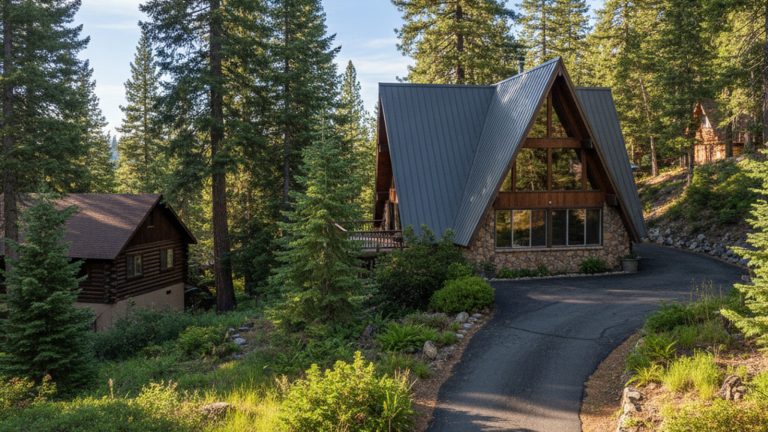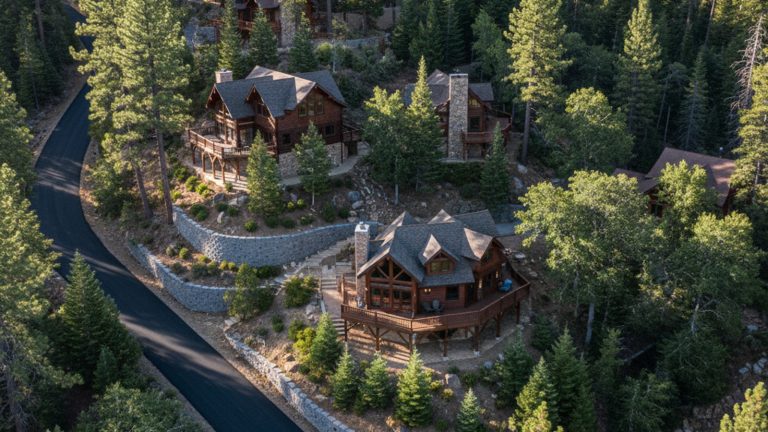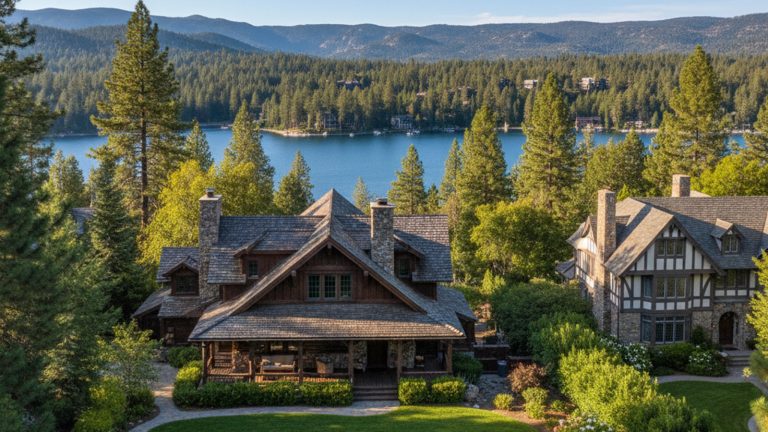
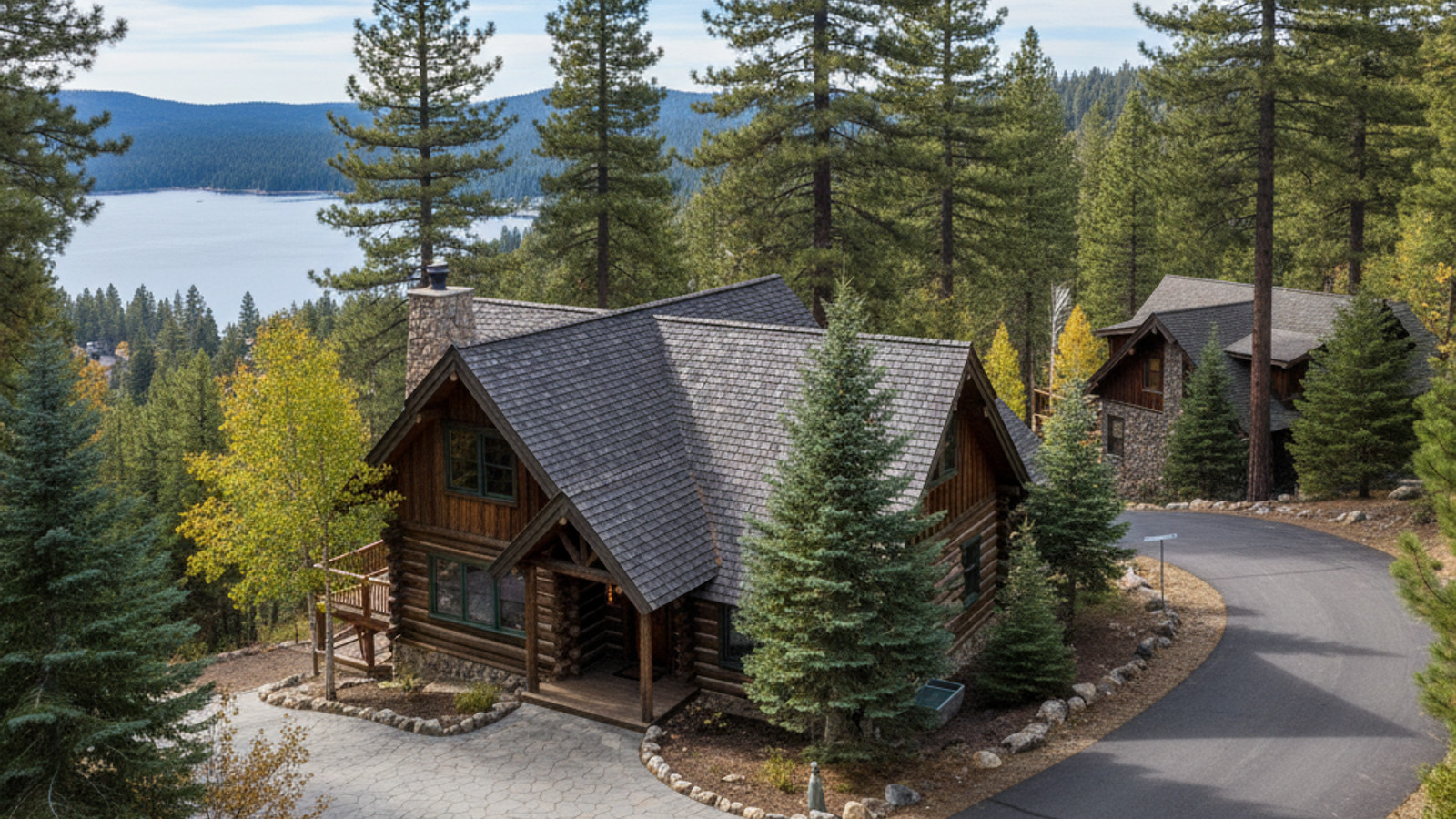
Investing in Lake Arrowhead CA real estate offers a unique opportunity to own property in a premier four-season mountain destination. Located roughly 80 miles from the Greater Los Angeles area, this alpine community provides a rapid transition from busy city streets to dense pine forests. Buyers looking at the market this year will find a landscape shaped by recent regulatory updates and shifting inventory levels.
Navigating the local market requires more than just picking a cabin with a great view. Success here depends heavily on understanding hyper-local factors like deeded lake rights, county ordinances, and winter maintenance logistics.
The 2026 housing environment presents distinct advantages for cash-ready investors and second-home buyers. While interest rates and insurance premiums require careful calculation, the rental demand for well-appointed mountain cabins remains incredibly robust. Securing the right property involves balancing the initial purchase price against the long-term revenue potential of a highly sought-after vacation market.
Why Invest in Lake Arrowhead Real Estate in 2026?
The appeal of the San Bernardino Mountains remains strong for buyers seeking a high-elevation retreat without a massive commute. Drivers can reach the area via Highway 18 or Highway 138 in roughly two hours from major Southern California economic centers. This accessibility makes it a prime target for weekend visitors and seasonal renters looking for quick getaways.
Beyond the convenient location, the area boasts a distinct four-season climate anchored by the commercial hub of Lake Arrowhead Village. The combination of summer boating and winter snow creates year-round demand for lodging and recreational activities.
Investing here also provides a hedge against the volatility of traditional urban real estate markets. The limited buildable land in the surrounding national forest naturally restricts new housing developments. This geographic constraint helps preserve property values and ensures that existing cabins retain their premium status in the local market. My clear takeaway for buyers this year is that properties within a short drive of the Village command the most consistent rental interest regardless of the season.
Current Market Trends and Home Prices
The local housing landscape has shifted into a more balanced market, giving buyers slightly more negotiating power than in previous cycles. Median home prices in early 2026 range between $525,000 and $650,000, heavily dependent on the specific neighborhood and whether the property includes lake access. Entry-level cabins require a vastly different budget compared to luxury lakefront estates, which regularly trade well over the $2,000,000 mark.
Inventory levels have stabilized, meaning buyers have more options to tour but still face competition for turnkey properties. While aggressive price spikes leveled off last year, the long-term appreciation trajectory remains positive. Investors who focus on well-maintained properties with clear lake rights are positioning themselves best for future equity growth.
Navigating Arrowhead Woods and Lake Rights
The most critical concept to grasp when evaluating property here is the Arrowhead Woods geographic boundary. Lake Arrowhead is a private lake managed by the Arrowhead Lake Association (ALA), and public access is strictly prohibited. Only properties located within the specific Arrowhead Woods tract come with deeded lake rights attached to the title.
Purchasing a home outside this boundary means you cannot legally access the lake, use the beach clubs, or operate a boat. Buyers must verify the exact tract map details before writing an offer, as a property located just one street over might lack these essential privileges. If your investment strategy relies on marketing a lakeside experience to renters, buying inside the Woods is an absolute requirement.
The value of these lake rights cannot be overstated when looking at long-term property appreciation. Homes within the Arrowhead Woods boundary consistently appraise higher and sell faster than comparable homes located in adjacent mountain towns. Paying the premium for a home with lake rights is a necessary business expense for any serious vacation rental investor.
The Value of ALA Dock Rights for Investors
Owning a property with an attached dock slip drastically changes the financial potential of an investment. Dock ownership is legally tied to the property deed and represents a significant premium on the purchase price. Properties featuring private docks historically retain their value better during market dips and generate much higher nightly rates.
Recent regulatory adjustments have made dock ownership even more lucrative for the vacation rental market. Following an October 2024 settlement, registered short-term renters staying under 30 days are permitted to use the lake and the owner’s private dock. As long as the owner holds the proper permits, offering a private dock access point is the single biggest revenue multiplier for an Airbnb listing.
Short-Term Rental Regulations in San Bernardino County
Lake Arrowhead is located within unincorporated San Bernardino County, meaning it falls under county jurisdiction rather than city zoning laws. The county defines a short-term rental as any residential property leased for stays of 30 days or less. Operating a vacation rental here requires strict adherence to local ordinances designed to manage the impact of tourism on the mountain infrastructure.
The county currently enforces these regulations aggressively, utilizing dedicated compliance officers and a 24-hour complaint hotline. Attempting to operate under the radar is a massive financial risk that I strongly advise against.
Navigating the application pipeline requires patience and meticulous attention to detail. The county frequently updates its building codes and safety requirements, meaning older cabins may need significant upgrades before passing inspection. Budgeting for these potential compliance upgrades is a crucial step during the escrow period.
STR Permits, Taxes, and Operational Rules
Securing the legal right to host guests involves a specific administrative process and ongoing financial obligations. Owners must apply for a Short-Term Residential Rental Permit (STRRP) and complete an interior self-certification. Once operational, hosts are responsible for collecting a 7% Transient Occupancy Tax (TOT) from guests and remitting it to the county.
Maintaining your permit requires flawless execution of the county operational rules. Violations carry severe financial penalties, with fines for operating without a permit reaching approximately $1,000 per day.
The county mandates several specific operational protocols for all permitted vacation rentals. Failure to meet these basic standards during an inspection will delay your ability to host guests:
- Paying an initial permit application fee of approximately $667, followed by a $600 annual renewal fee.
- Remitting the mandatory 7% Transient Occupancy Tax on all bookings under 30 days.
- Strictly enforcing posted maximum occupancy limits and designated driveway parking rules.
- Providing bear-proof trash receptacles and ensuring guests follow local noise ordinances.
Understanding the Costs of Ownership and ROI
Breaking down the financial realities of mountain property ownership is essential before calculating potential returns. Fixed costs run higher in alpine environments due to climate challenges and specialized maintenance requirements.
Out-of-town investors usually need to hire local boots on the ground to handle turnovers and emergencies. Professional property management in mountain resort areas typically costs between 20% and 30% of gross revenue. While self-managing from Los Angeles is possible, the logistical strain of coordinating emergency snow removal or plumbing fixes often makes professional management worth the cost.
Utility costs also fluctuate wildly depending on the season and the energy efficiency of the cabin. Heating a poorly insulated A-frame during a January snowstorm can result in massive natural gas or propane bills. Upgrading windows and installing smart thermostats are immediate capital improvements that will protect your monthly cash flow.
Property Taxes, Insurance, and Winter Maintenance
The baseline carrying costs for a Lake Arrowhead cabin include standard property taxes assessed at the county level. The effective property tax rate in this area generally falls between 1.12% and 1.20% of the assessed purchase price. Buyers must also secure specialized fire insurance, which has become increasingly expensive and complex to obtain in California forested regions.
Hosts operating an Airbnb will also need robust commercial liability insurance to cover guest injuries. Winter brings its own set of mandatory expenses, primarily the cost of private snow clearing services. Ensuring safe driveway access after a major storm is a legal requirement for active rentals and a practical necessity to prevent structural damage.
Budgeting for these recurring expenses upfront prevents cash flow surprises during the slow seasons. A well-capitalized investor who anticipates these local costs will always outperform a buyer who only budgets for the mortgage.
Frequently Asked Questions
The median purchase price for a home in the area hovers around $525,000 to $650,000 as of early 2026. Beyond the mortgage, owners must budget for an effective property tax rate of roughly 1.15%, plus elevated fire insurance premiums. Annual Arrowhead Lake Association fees and routine winter maintenance add several thousand dollars to the yearly carrying costs.
Yes, Lake Arrowhead is strictly private and managed by the Arrowhead Lake Association. You must own property within the designated Arrowhead Woods boundary to have deeded lake rights. Properties outside this specific tract map do not grant access to the water, beach clubs, or ALA trails.
You can operate a vacation rental if you obtain a Short-Term Residential Rental Permit from San Bernardino County. The initial application fee is approximately $667, and you must collect a 7% Transient Occupancy Tax. Strict rules govern parking, noise, and occupancy, with heavy fines levied for non-compliance.
Both locations offer distinct mountain experiences, but Lake Arrowhead sits at a slightly lower elevation with a private lake focus. Big Bear features a public lake and major ski resorts, drawing heavier winter crowds and day-trippers. Lake Arrowhead generally appeals to buyers seeking a more secluded, forest-heavy environment centered around boating and private beach clubs.