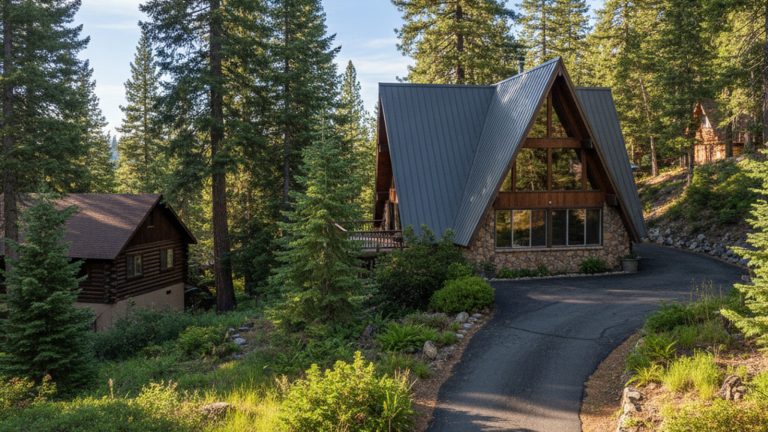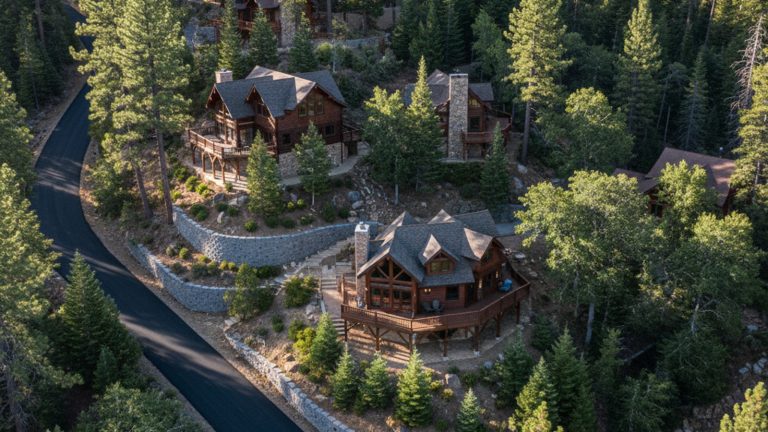
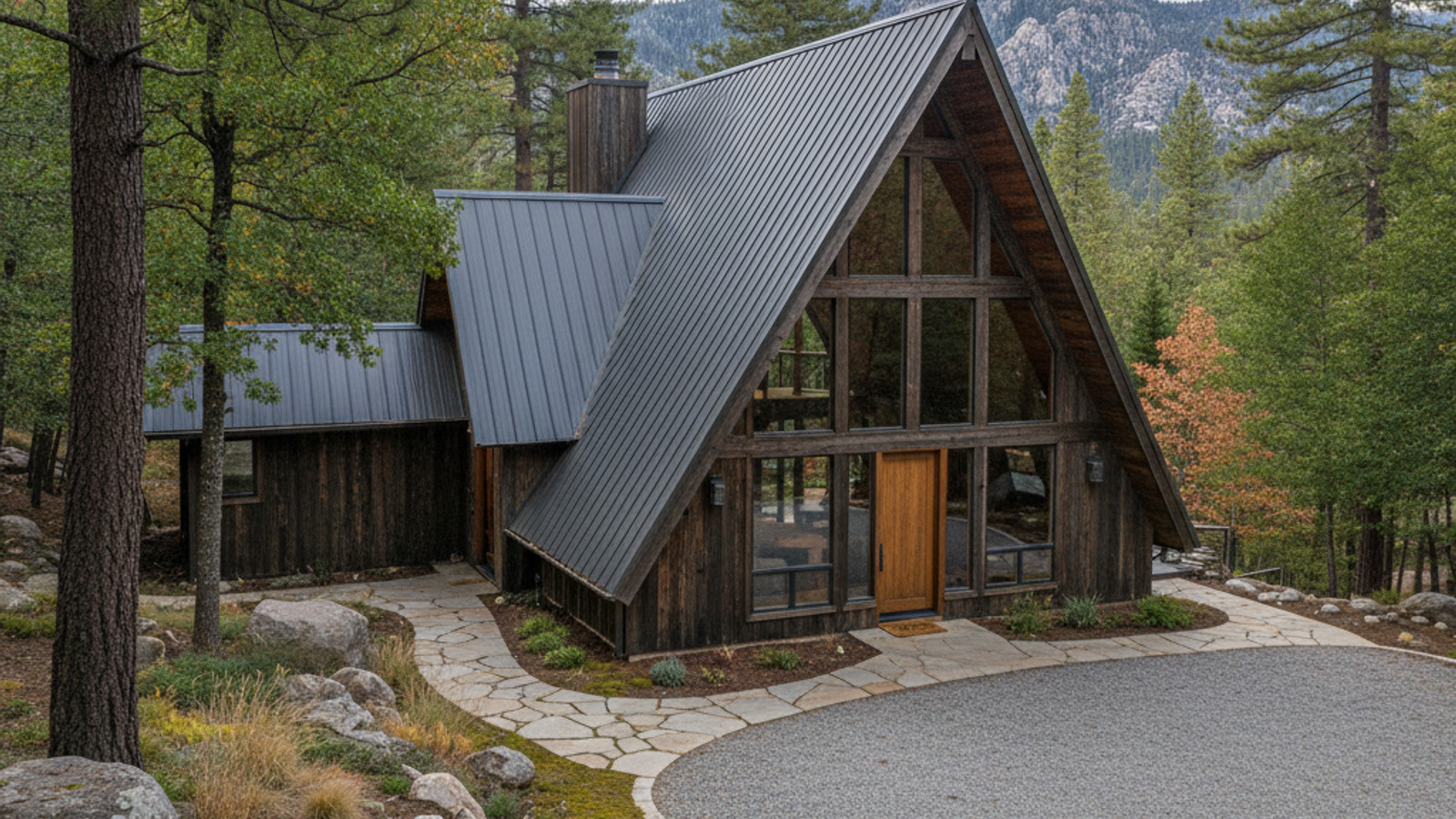
Buying a home in the San Bernardino Mountains requires more than just finding the perfect A-frame or lakeside retreat. Understanding property taxes Lake Arrowhead CA buyers face is a critical step in accurately projecting your monthly carrying costs. Local property taxes influence your bottom line long after the initial real estate transaction closes.
California operates under a unique set of tax rules that differ significantly from other states. San Bernardino County has its own specific assessment timelines, local bonds, and fee structures that apply directly to mountain communities. Getting familiar with these numbers now ensures you avoid unexpected financial surprises during your first year of ownership.
Understanding the San Bernardino County Tax Rate in Lake Arrowhead
Across the entire state of California, the baseline property tax rate is set at exactly 1.0% of the assessed value. However, the effective median rate for a home in Lake Arrowhead typically lands between 1.12% and 1.25%. This slight increase accounts for local voter-approved bonds and special assessments specific to the mountain region.
The San Bernardino County Assessor determines your new assessed value based primarily on the final purchase price of the real estate. Once that valuation is established, the auditor-controller, treasurer, and tax collector – currently Ensen Mason CPA – oversees the final calculation and collection of your bill. Knowing your specific tax rate is essential, as even a fraction of a percentage makes a substantial difference on higher-priced mountain properties.
How California Proposition 13 Protects Your Tax Base
California Proposition 13 provides significant long-term financial predictability for property owners. Under this legislation, the annual increase of your assessed property value is strictly capped at a maximum of 2%. Reassessment to full market value only triggers upon a change of ownership or the completion of new construction.
This means you should never rely on the previous seller’s property tax bill to calculate your future payment. A seller who bought their cabin decades ago is paying taxes based on a drastically lower assessed value. Your new tax bill will reset based on your current purchase price, establishing a brand-new baseline for that 2% cap moving forward.
Important Deadlines: When to Pay Your Property Tax Bill
Missing a tax deadline in San Bernardino County results in steep financial penalties that are easily avoidable. The county tax collector mails out the regular secured property tax bills every October. Once that official bill arrives, the total annual assessment is divided into two separate installments to make payments more manageable.
The first installment is officially due on November 1 and becomes delinquent if not paid by December 10. Missing this December deadline automatically triggers a rigid 10% penalty on the unpaid balance. The second installment is due on February 1 and falls delinquent after April 10, bringing another 10% penalty plus an additional flat cost.
Property owners have several reliable ways to submit their payments before these dates approach. You can pay online through the official county website using an ACH transfer, mail a physical check, or visit the tax collector office in person. Setting calendar reminders for early November and early February is the smartest way to protect your investment from unnecessary late fees.
Hidden Costs: AWAC Fees, Special Assessments, and HOA Dues
Baseline property taxes are only one part of the carrying costs associated with mountain real estate. Properties in Lake Arrowhead often carry special assessments for local fire protection districts, which run approximately $400 annually. Maintaining robust fire defense infrastructure is a non-negotiable reality of owning property in a heavily forested region.
Buyers must also navigate recent structural changes regarding the Arrowhead Woods Architectural Committee, commonly known as AWAC. As of December 31, 2025, 24 tracts lost their AWAC oversight completely. For those specific tracts, permit regulation and architectural guidelines have shifted strictly to standard San Bernardino County ordinances.
Properties that remain within the active AWAC boundaries or exist inside specific local homeowners associations will still require separate annual dues. You must factor these mandatory association fees into your total carrying costs alongside your standard tax obligations. Always request a comprehensive breakdown of all local assessments and dues during your escrow period.
Examples of Estimated Annual Tax Bills
Calculating your expected tax burden requires looking at the specific purchase price and the exact location of the parcel. While the base rate remains static, the exact percentage fluctuates slightly depending on localized voter bonds attached to different neighborhoods. Using an estimated effective rate of 1.2% provides a reliable benchmark for initial budgeting purposes.
Reviewing hypothetical scenarios helps clarify exactly what these percentages look like in terms of actual dollars. Whether you are purchasing a modest weekend retreat or a sprawling waterfront compound, the math scales directly with your purchase price. The following estimates highlight the stark contrast in annual obligations across different property tiers.
Forested Cabins vs. Lakefront Estates
The diversity of the local housing market means tax bills vary wildly from one street to the next. Here is a look at two common property profiles using our 1.2% benchmark rate:
- Forested Cabin: For an entry-level property valued at $500,000, expect an annual property tax bill of roughly $6,000.
- Lakefront Estate: For a luxury waterfront home valued at $2,000,000, the annual property tax bill jumps to approximately $24,000.
These figures are strictly estimates to help you frame your initial budget. Always use a dedicated property tax calculator or contact the assessor’s office directly to verify the exact rate for a specific address and zip code before closing. Securing accurate data for your future property tax account ensures your monthly payment calculations are completely reliable.
Where Do Your Tax Dollars Go?
Paying thousands of dollars annually naturally leads buyers to wonder how those funds are utilized locally. The collector is responsible for gathering these funds, but they are quickly distributed to support essential municipal services. This revenue is the primary financial engine keeping the mountain infrastructure running smoothly.
The largest portion of the assessment roll is allocated directly to local schools and community colleges. Significant funding also flows to vital emergency services, including local law enforcement and the dedicated fire protection districts. These specialized mountain crews rely heavily on tax revenue to maintain their equipment and readiness.
The remaining funds are channeled into general infrastructure upkeep across the region. This includes ongoing road maintenance, snow removal coordination, and the operation of community facilities. Your annual payments directly sustain the services that make living in the San Bernardino Mountains viable year-round.
Frequently Asked Questions
Seniors do not automatically stop paying property taxes at any age in California. However, programs like Proposition 19 allow homeowners aged 55 and older to transfer their current assessed property value to a new primary residence. This specialized transfer program creates significant tax savings for older buyers relocating within the state.
A supplemental tax bill covers the exact financial difference between the prior owner’s assessed value and your new purchase price. This is a one-time bill issued outside the regular property tax cycle to ensure an immediate adjustment to the correct valuation. New buyers in San Bernardino County should expect this separate notice to arrive in the mail a few months after closing.