There is a distinct difference between spending a weekend at a cozy cabin in Lake Arrowhead and actually living here full-time. When you visit, the snow is magical, the winding roads are scenic, and the silence is a relief from the city hum. When you move here, you realize that snow means shoveling a berm at 6:00 AM, those roads require distinct driving skills, and the silence comes with a very different set of logistics.
Often called “The Alps of Southern California,” Lake Arrowhead sits at an altitude of roughly 5,100 feet within the San Bernardino National Forest. It offers a lifestyle that is practically unheard of this close to the Los Angeles basin—alpine living with four true seasons. As we settle into 2026, the real estate market has shifted slightly. We are seeing inventory stabilize and interest rates hovering in the low 6% range, giving buyers a bit more breathing room than in the frenzy of recent years.
However, moving up the hill isn’t just about finding a house with a view. It requires preparation for a lifestyle that includes wildfire mitigation, intense winter weather, and some unique homeownership quirks. If you are ready to trade the freeway for the forest, here is what you really need to know before making the leap.
Understanding “Lake Rights” vs. Non-Lake Rights
If you remember nothing else from this guide, remember this: Not every home in Lake Arrowhead has access to the lake. This is the single most common misconception for newcomers. Lake Arrowhead is a private lake, and access is tied strictly to property deeds within a specific boundary known as “Arrowhead Woods.”
If you buy a home outside of Arrowhead Woods, you are essentially a visitor to the lake. You cannot buy a membership, you cannot launch a boat, and you cannot use the beach clubs. The land immediately surrounding the water—often called “the strip”—is private property owned by the Arrowhead Lake Association (ALA), not public land. When you are looking at Arrowhead Woods homes for sale, verify the APN (Assessor’s Parcel Number) to confirm it actually holds lake rights.
For those who do buy within the Woods, you become eligible to join the ALA. Membership isn’t automatic; you have to pay annual fees to access the amenities.
- General Membership: Costs roughly $160 per year. This gets you access to the trails and fishing designated areas.
- Beach Club Membership: Runs about $460 per year. This is the ticket for summer, granting you entry to the Burnt Mill and Tavern Bay beach clubs.
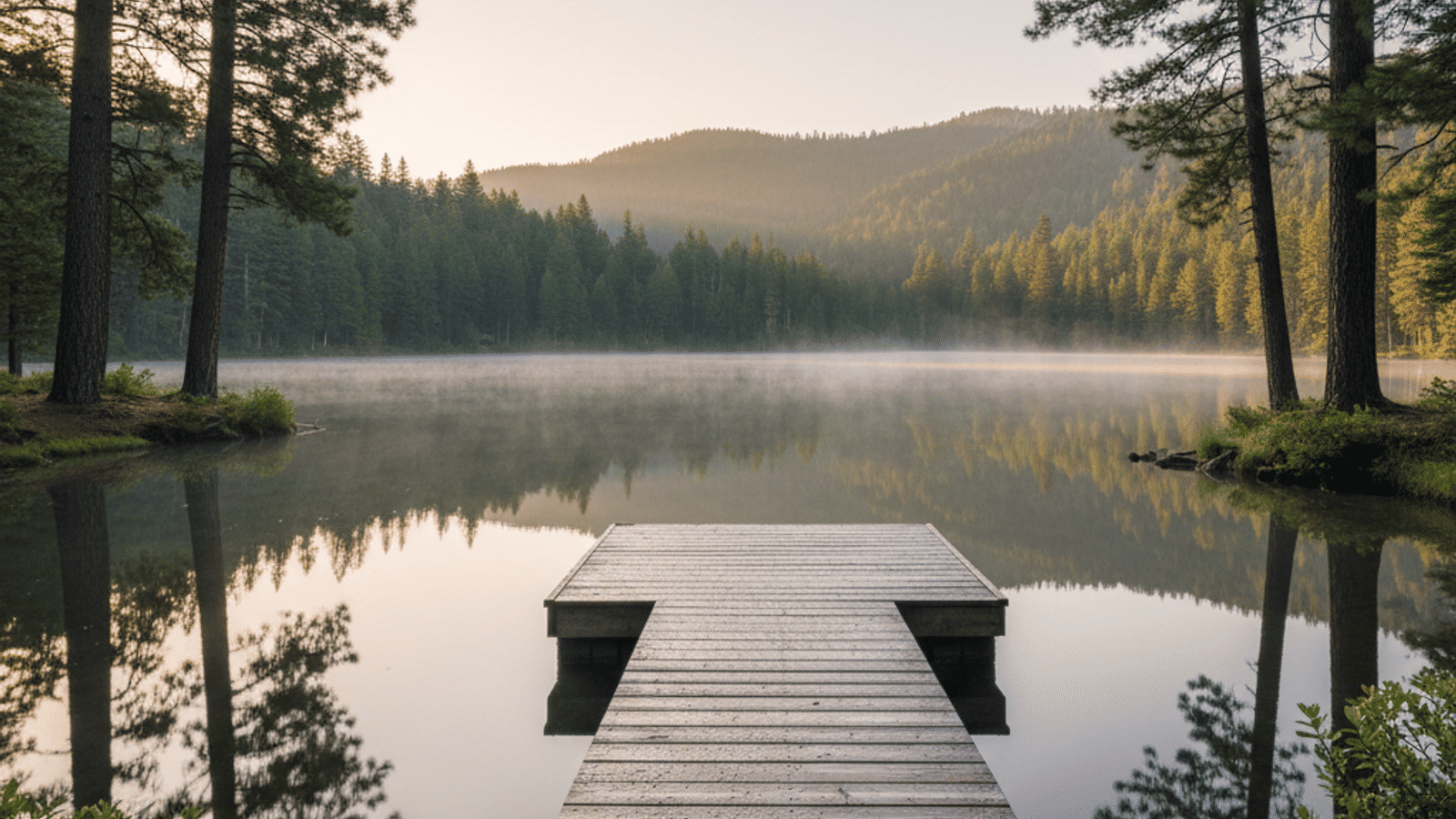
- Dock/Slip Rights: These fees hover around $1,150 per year. Note that buying a house with “dock rights” just means you are allowed to have a dock; it doesn’t mean the house comes with one. The waitlists for slips can be years long, so homes that already transfer a dock slip command a significant premium.
Cost of Living & Real Estate Realities
On paper, home prices in Lake Arrowhead often look like a steal compared to coastal Orange County or Los Angeles. You can find substantial square footage and forest views for a fraction of the cost of a beach bungalow. However, the monthly carrying costs here include a few expenses you won’t find “down the hill.”
The biggest financial hurdle right now is homeowners insurance. Because the area is designated as a high fire severity zone, most standard insurance carriers will not write new policies here. Most buyers in 2026 have to utilize the California FAIR Plan. Think of this as the insurer of last resort. It is expensive and provides limited coverage—primarily just for fire.
Because the FAIR Plan doesn’t cover liability, theft, or water damage, you also need a “Difference in Conditions” (DIC) policy, often called a wrap-around policy. When you combine the FAIR Plan with a DIC policy, the total annual cost for an average home usually lands between $3,000 and $7,000, though it can go higher for large estates. It is vital to get an insurance quote during your escrow period so the monthly payment doesn’t shock you later.
Utilities also run differently here. We don’t have natural gas lines in every neighborhood; many homes rely on propane tanks, while others have natural gas service. Heating bills in the dead of winter can be surprisingly high. Additionally, water bills can be steep due to district fees that maintain the infrastructure in this mountainous terrain.
Neighborhoods & Areas to Know
Lake Arrowhead isn’t just one big town; it’s a collection of small communities, each with a different vibe and price point.
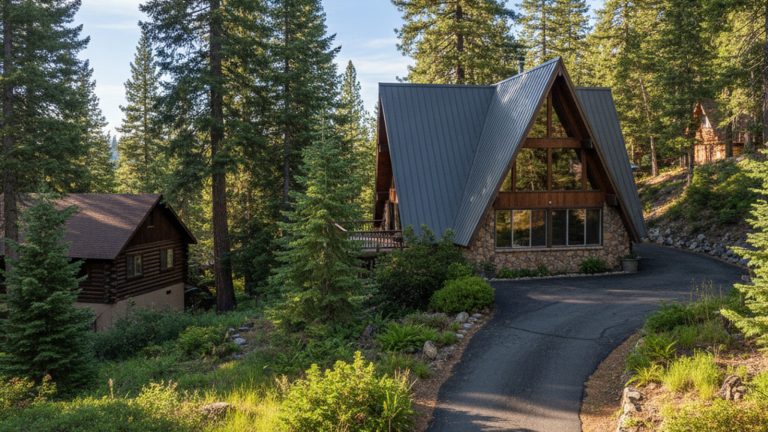
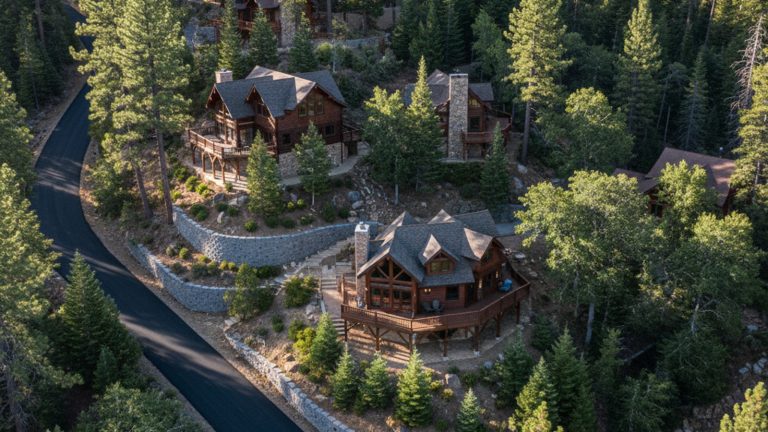
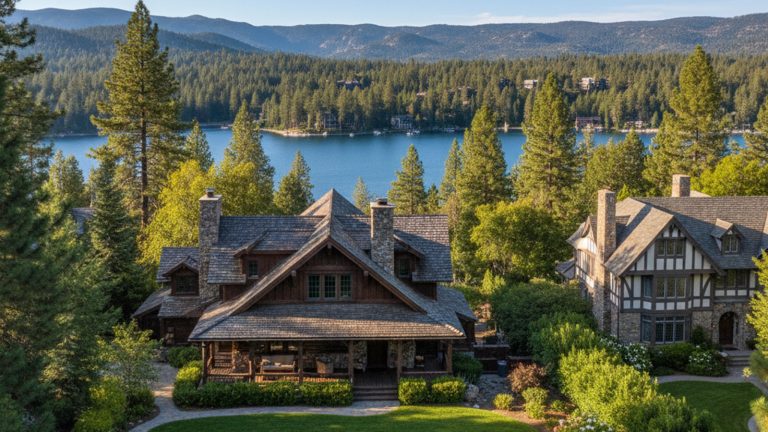
Arrowhead Woods is the primary residential zone where you get those coveted lake rights. It covers a large area, ranging from small A-frame cabins to multi-million dollar lakefront estates. If lake access is your priority, this is where you need to focus your search.
Blue Jay serves as the commercial hub for the area. It’s where you’ll find Jensen’s Market, the movie theater, and various shops and restaurants. Living near Blue Jay offers great walkability and convenience, making it popular for full-timers who don’t want to drive far for groceries.
Cedar Glen sits on the east side of the lake and has a historic, slightly funkier vibe. It feels a bit more rustic and is home to local landmarks like the famous Malt Shop and antique stores. Cedar Glen real estate often appeals to those who want that “old mountain” charm.
Skyforest and Rimforest are located at higher elevations along the Rim of the World Highway. These areas often boast incredible ridge views looking down into the valley or out toward the desert. However, most homes here do not have lake rights. You might get a spectacular view, but you’ll be driving to the lake as a guest.
For those seeking luxury and privacy, gated communities like Shelter Cove or Point Hamiltair offer exclusive environments. These are often where you see the higher-end homes for sale, complete with private beaches or marina access.
Weather, Roads, and the Commute
Living here means living with the weather, not just observing it. We experience four distinct seasons: a warm, dry summer; a crisp fall with changing leaves; a snowy winter; and a blooming spring.
Winter is the reality check. It is not just about the scenery; it is about logistics. Snowfall varies wildly—some years we get a dusting, but in big years (like the storms we saw in early 2023 and 2024), we can get 3 to 5 feet of snow. When the plows come through, they leave a “berm” across your driveway that can be heavy and icy. You either need a snowblower, a plow service, or a very strong back.
Getting around requires confidence behind the wheel. Highway 18 and Highway 173 are winding mountain roads. During winter storms, carrying chains or cables in your vehicle is mandatory, even if you have 4-wheel drive. CHP will set up checkpoints, and if you aren’t prepared, you aren’t getting home.
As for commuting to Los Angeles or Orange County daily, it is a grind. It can easily take 1.5 to 2 hours each way. Fog is another factor; heavy fog can roll in and reduce visibility on the Rim to near zero, slowing traffic significantly.
Lifestyle: Amenities, Schools, and Healthcare
Daily life on the mountain is slower and more community-focused. You won’t find big-box stores like Target or Costco up here; those runs require a trip down to San Bernardino. For groceries, we rely on Jensen’s, Stater Bros, and smaller local markets.
Healthcare is anchored by Mountains Community Hospital. It is excellent for basic care and emergencies, but for major trauma or specialized treatments, patients are typically transported down the hill. This is an important consideration for retirees or those with chronic health conditions.
Families are served by the Rim of the World Unified School District. The high school is located in Twin Peaks. The schools are central to the community, and Friday night football games are a big local event. The vibe is tight-knit, but there is a distinct split between “locals” (full-time residents) and “weekenders.”
Tourism is the engine of the local economy, but it can be a friction point. Weekends and holidays like the 4th of July or Christmas bring heavy traffic and crowded restaurants. As a resident, you learn to run your errands on Tuesday mornings and stay tucked away during peak tourist hours.
Pros and Cons of Living in Lake Arrowhead
If you are weighing the decision, here is how the lifestyle usually shakes out.
Pros:
- Clean air and escaping the “marine layer” gloom of the coast.
- Four genuine seasons, including a white Christmas potential.
- Quiet, peaceful weekdays.
- Access to a private lake (if you buy in the Woods).
- A slower, small-town pace of life.
Cons:
- High fire insurance costs and the complexity of the FAIR Plan.
- Heavy tourist traffic on weekends and holidays.
- Winter driving stress and snow removal labor.
- Distance from major medical centers and big-box retail.
FAQs
Yes, thousands of people live here full-time, including young families and retirees. However, it requires a mindset shift. You must be comfortable with winter driving, power outages during storms, and being about 45 minutes away from major city amenities.
It is the biggest expense after your mortgage. Because most homes require the California FAIR Plan plus a separate wrap-around policy, you should budget between $3,000 and $7,000 annually. Always get a specific quote for a property before removing contingencies.
No, the lake is private. Only property owners in “Arrowhead Woods” with a valid membership can put boats on the lake or access the beach clubs. Visitors and non-member residents can enjoy the view from the Village or walk mostly on the roads, but they cannot access the water or the shoreline trails.
It varies, but yes, it is a true alpine environment. While some winters are mild, the mountain can receive significant snowfall (several feet at a time) during major storms. Residents need 4WD vehicles and must carry chains during the winter months.
It is a long haul for a daily drive. Depending on where in LA you are going, expect a commute of 90 minutes to over 2 hours each way. Most residents who work in LA do so on a hybrid schedule or work remotely to avoid driving the mountain roads every day.