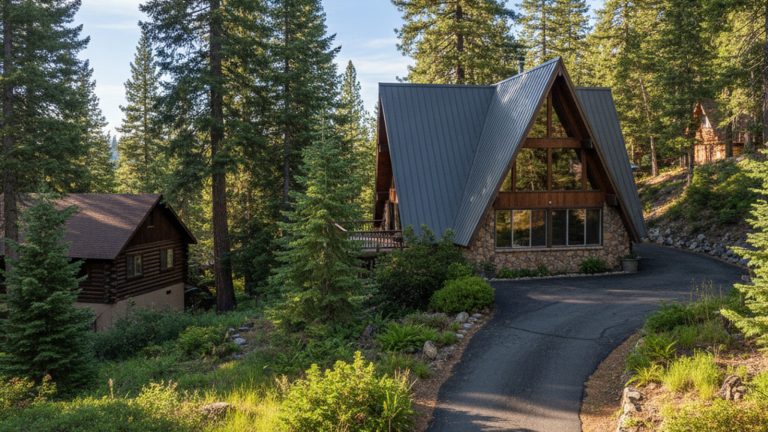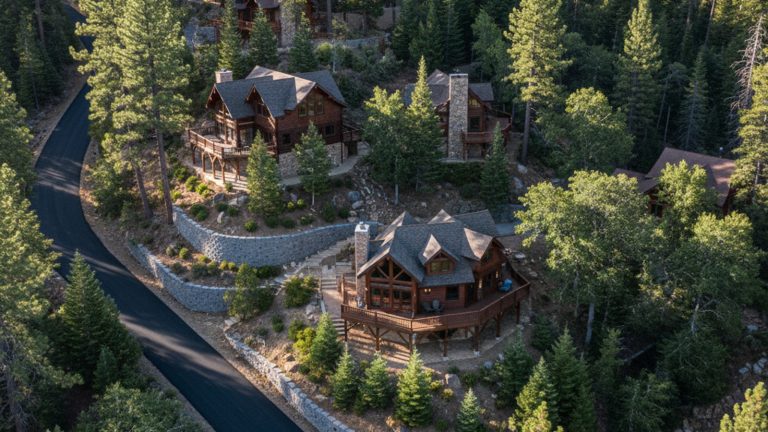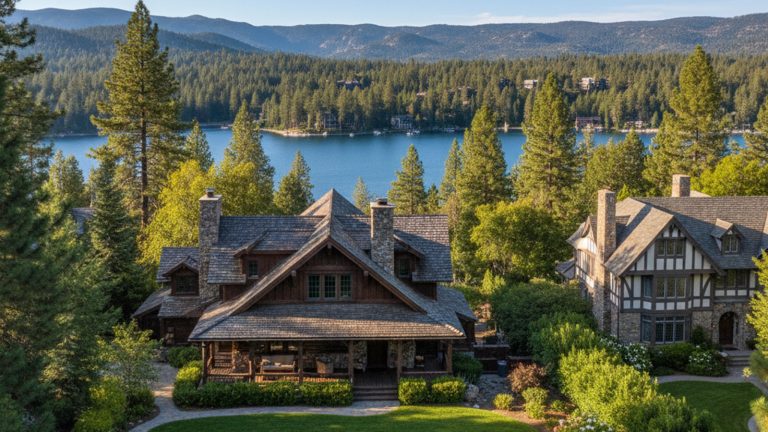
The “Zoom Town” phenomenon changed the face of mountain living forever, and nowhere is that clearer than in Lake Arrowhead. A few years ago, this area was almost exclusively the territory of retirees and weekenders escaping the city heat. But as we settle into early 2026, the demographics are shifting. We are seeing more remote workers, young couples, and creative freelancers trading their expensive city apartments for A-frames in the pines.
However, before you pack the U-Haul, you need to manage your expectations. Moving here isn’t just a change of address; it is a complete lifestyle overhaul. The allure of affordable mountain living is strong, but the reality involves trade-offs that don’t fit every young professional’s life. If you are a remote worker who loves hiking and silence, this could be paradise. If you are single and crave a bustling nightlife or a quick commute, the isolation might feel overwhelming rather than peaceful.
The Vibe: Mountain Sanctuary, Not a Party Hub
The first thing to understand is that Lake Arrowhead is quiet. Really quiet. The social scene here effectively shuts down by 9:00 PM. If your ideal Friday night involves clubbing or trying a new fusion restaurant at midnight, you are going to be disappointed. The vibe here is much more about bonfires, dinner parties at home, and early morning trail runs.
While the population still heavily skews toward residents over 45, there is a growing pocket of residents in their late 20s and 30s. Most of these newer locals are remote workers or entrepreneurs who brought their jobs with them. The community feels tight-knit and functions with a “small town” privacy; neighbors look out for each other, but they also respect the solitude that drew them here in the first place.
It is also worth noting that the energy shifts drastically depending on the calendar. During peak summer and winter holidays, the town swells with tourists. Traffic gets heavy, and the grocery store lines get long. But once the weekenders leave, the town settles back into its sleepy, sanctuary-like rhythm.
Job Market & Commuting: The Hard Truths
Unless you are bringing a remote job with you, the local employment options for young professionals are thin. The local economy is driven almost entirely by real estate, hospitality, tourism, and retail. While these are vital services, the salaries generally do not match what you would find “down the hill” in Los Angeles or Orange County.
For those planning to keep their city jobs and commute, you need to be realistic about the drive. The commute down Highway 18—locally known as “The Rim”—to San Bernardino takes about 35 to 45 minutes on a clear day. If your office is in DTLA or Irvine, you are looking at a commute of 1.5 to 2 hours each way, often more with traffic.
Driving that route daily can be soul-crushing and puts significant wear and tear on your vehicle. However, for hybrid workers who only need to show face in the office one or two days a week, the trade-off is often worth it. You spend a few hours in the car on Tuesday, but you get to wake up to pine trees and fresh air the rest of the week.
Remote Work Reality: Internet & Infrastructure
For the target audience of this guide, this is usually the deal-breaker section. Can you actually work from here? The short answer is yes, but you need redundancies. Spectrum is the most widely available cable internet provider, offering speeds that typically hit 1Gbps, which is plenty for Zoom calls and large file uploads. Frontier Fiber is expanding in the area but coverage remains spotty, so you will need to check specific addresses.
However, the internet connection itself isn’t the weak link—power is. Winter storms and high winds frequently knock out power lines, sometimes for days. If your livelihood depends on being online, a generator is non-negotiable. Many locals also invest in Starlink as a backup internet source to ensure they never drop a connection during a client meeting.
If you do need to get out of the house, don’t expect a WeWork on every corner. There are no major coworking spaces in Lake Arrowhead proper. The closest dedicated option is usually “The Hive” in nearby Crestline. While there are a few coffee shops, the culture here is more dining-focused than laptop-friendly. You won’t find endless rows of freelancers camping out at tables with MacBooks like you do in the city.
Cost of Living & Housing in 2026
When you look at the cost of living in California generally, Lake Arrowhead stands out as surprisingly accessible. Buying a home here is significantly more affordable than in the coastal cities. As of early 2026, the median home price hovers between $525,000 and $690,000. That buys you a legitimate house, often with a deck and views, rather than a cramped condo.
There is a critical distinction to make when house hunting: “Arrowhead Woods” versus everywhere else. Properties located within Arrowhead Woods boundaries come with “lake rights,” meaning you can access the lake, beaches, and trails owned by the Arrowhead Lake Association (ALA). Homes outside this zone are cheaper but do not include that access.
If you aren’t ready to buy, renting can be tricky. The long-term rental market is incredibly tight because so many property owners prefer the short-term vacation rental route (Airbnb/VRBO). When you do find a long-term lease, a 2-to-3-bedroom home usually runs between $1,900 and $2,500 per month.
You also need to budget for hidden mountain costs.
- Utilities: Heating a poorly insulated A-frame in winter is expensive.
- Services: You will likely pay for snow removal services unless you want to shovel your driveway at 5:00 AM.
- Insurance: This is the big one. Because this is a high fire-risk zone, getting fire insurance can be difficult and costly. It’s often the single biggest line item shock for new buyers.
- Groceries & Gas: Prices at local stations and markets carry a “mountain tax”—usually a dollar or two higher than down the hill.
Lifestyle: Outdoors, Fitness & Socializing
For a 28-year-old active professional, the lifestyle here is defined by the outdoors. You have immediate access to hiking trails (including parts of the Pacific Crest Trail), skiing at nearby Snow Valley, and—if you have those coveted lake rights—water skiing and kayaking in the summer. It is an outdoor playground that beats a city park any day.
Socially, this is very much a “bring your own partner” town. The dating scene is sparse, and singles often find it isolating. Social life revolves around private gatherings, potlucks, and outdoor activities rather than meeting people at bars.
Amenities are present but basic. There are local gyms and small yoga or Pilates studios, but they don’t have the scale or variety of Equinox-style clubs. For “Third Places” where you can hang out, you have Lake Arrowhead Village, which is convenient but touristy, and the Blue Jay area, which tends to be where the locals actually run their errands and grab a bite.
Seasonality: Surviving the Four Seasons
Living here means reconnecting with actual weather. The seasons dictate your professional life more than you might expect.
- Winter: This is serious business. Carrying chains is mandatory in your vehicle during snow months. Driving on icy, winding roads can be terrifying for flatlanders. If a big storm hits, snow removal delays might trap you at home for a day or two. This is great for deep-focus remote work, but bad if you have an in-person meeting in LA you can’t miss.
- Summer: The weather is perfect, but the population explodes. The lake gets crowded with boats, and finding parking becomes a competitive sport.
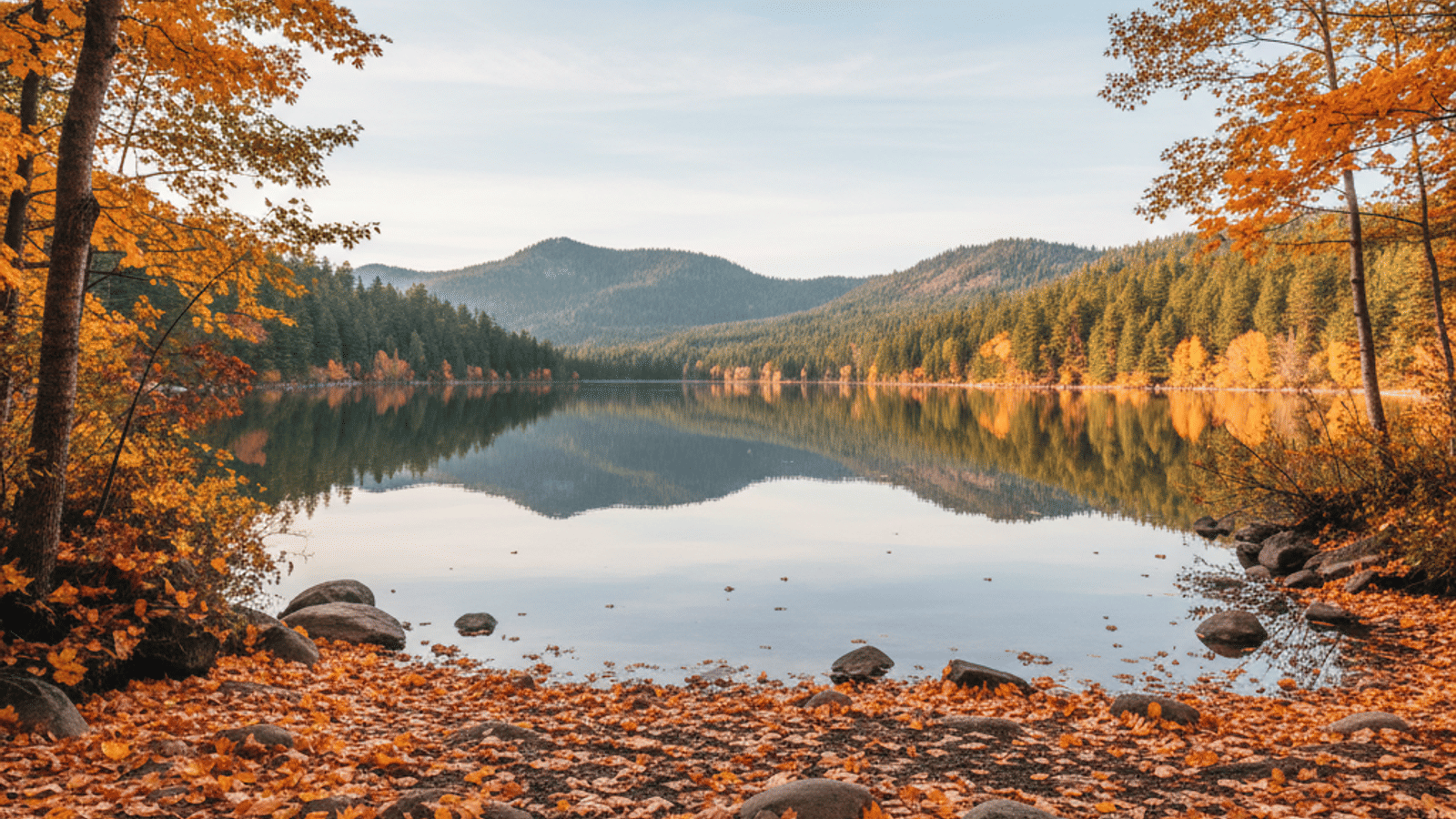
- Spring & Fall: These are the “Goldilocks” seasons. The air is crisp, the tourists are gone, and the hiking is spectacular. This is when the mountain lifestyle truly shines.
Comparison: Lake Arrowhead vs. Big Bear vs. Crestline
If you are moving to Lake Arrowhead, you are likely looking at the neighbors too. Here is how they stack up for a young professional:
- Crestline: It is closer to the city (shaving 10-15 minutes off the commute) and generally more affordable. However, it is smaller, quieter, and has fewer amenities than Arrowhead.
- Big Bear: It is a significantly longer drive from the city. Big Bear feels more like a heavy-duty ski resort town. It gets more snow and has more tourists, but the commute makes it almost impossible for anyone working in LA/OC.
- Lake Arrowhead: This acts as the middle ground. It feels more upscale and residential than Crestline, with better shopping and dining, but is much more accessible for hybrid workers than Big Bear.
Verdict: Pros and Cons for Young Professionals
So, is it the right move for you? Here is the bottom line.
Pros:
- Affordability: You can own a home here for the price of a studio apartment in Santa Monica.
- Nature: You live where others vacation. The air, the trees, and the views are genuine stress relievers.
- Four Seasons: You get a true winter and a mild summer.
- Quiet: Uninterrupted focus for work and life.
Cons:
- Isolation: The dating scene is tough, and you are far from your city friends.
- Hidden Costs: Fire insurance and winter maintenance add up fast.
- Commute Stress: That drive down the mountain is not for the faint of heart.
- Convenience Gap: No Uber Eats at 11:00 PM, and fewer “city” conveniences.
FAQs
It can be challenging. The demographic skews older or towards couples and families, so the dating pool is very small. Most social activities are private or outdoors, meaning there are very few “meet-market” style venues like bars or clubs.
Internet speeds via Spectrum are generally fast enough for full-time remote work (up to 1Gbps). The main reliability issue isn’t the data connection but the power grid; frequent winter outages mean a generator is essential for maintaining uptime.
Daily commuting to LA is physically and mentally exhausting due to the 1.5 to 2-hour drive each way. It is sustainable for a hybrid schedule (1-2 days a week), but attempting it 5 days a week leads to burnout quickly for most people.
While you can survive with 2WD if you are vigilant about carrying chains, a 4WD or AWD vehicle is highly recommended. It makes navigating steep, icy driveways and winding roads much safer and less stressful during the winter months.