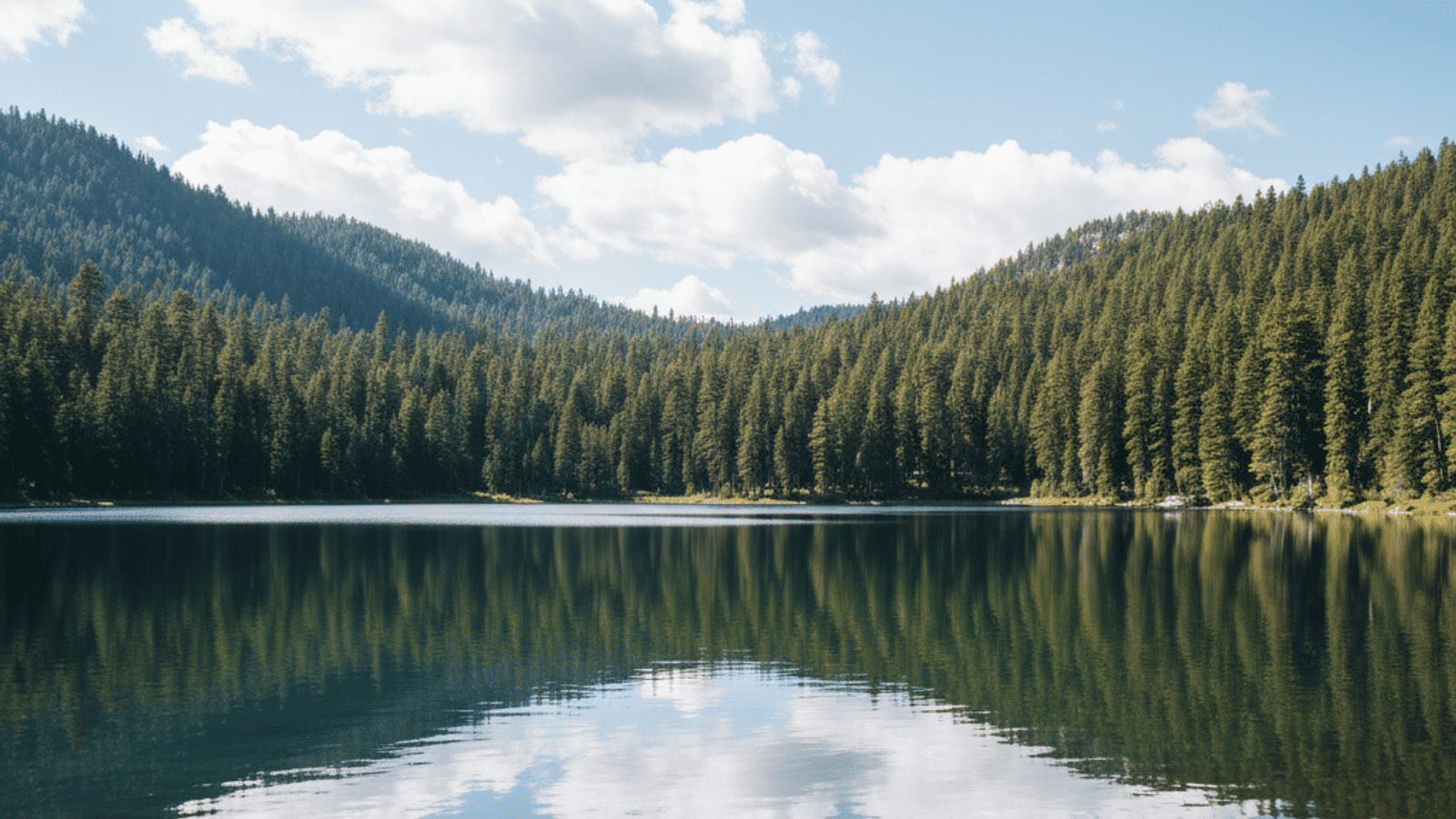
Lake Arrowhead sits high in the San Bernardino Mountains, surrounded by pine forests and the private waters of a mountain reservoir. Life here blends quiet mountain mornings, lakeside afternoons, and resort-style amenities on weekends. For anyone thinking of buying a home in Lake Arrowhead, this guide walks through what living here really looks like.
What’s The Housing Market Like In Lake Arrowhead?
Lake Arrowhead’s housing market has its own rhythm, shaped by lake proximity, elevation changes, and the way the seasons influence buyer interest.
Taken together, these numbers show a market where homes still find solid interest, but buyers have more breathing room and sellers do best when pricing and presentation match real-time conditions.
What Are The Best Neighborhoods In Lake Arrowhead?
Neighborhoods around Lake Arrowhead each have their own character, and what feels right often comes down to how you like to live.
- Blue Jay / Lake Arrowhead Village: The most active area for shopping, dining, and lake-side convenience. Good for people who value proximity to amenities and foot traffic.
- Cedar Glen: A quieter, more forest-oriented neighborhood, with wooded streets and a more secluded feel.
- Skyforest and Rimforest: Higher elevation, deeper woods, and a sense of real mountain living. You’ll find forested lots and more separation between homes.
- Twin Peaks and Crest Park: Mixed elevations and house styles; a balance between access and mountain seclusion.
What works best depends on what you need; lake access, privacy, convenience to shops, or forest serenity.
What Are The Most Popular House Types in Lake Arrowhead?
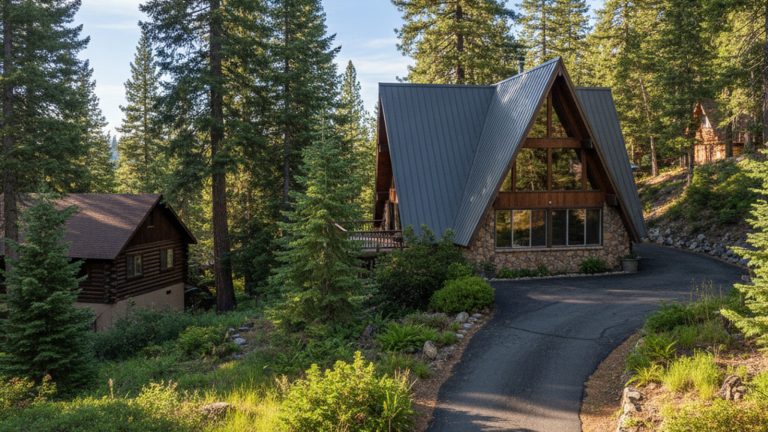
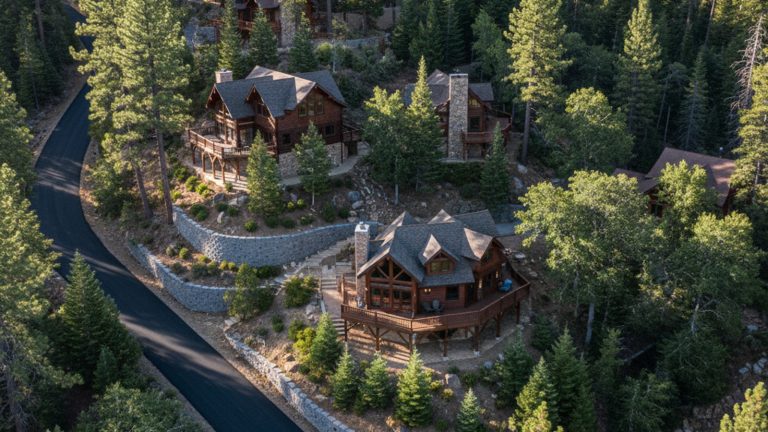
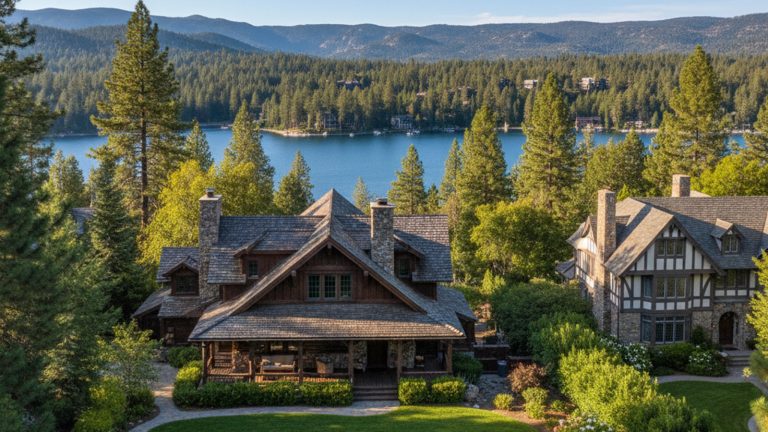
You’ll see a few common types here: small A-frame cabins, mid-size single-family homes on wooded lots, and larger lakeside properties with water-access privileges. Cabins and forest homes tend to attract buyers drawn to the rustic, mountain-retreat lifestyle; larger lakefront homes appeal to those looking for lake rights, docks, or vacation-style stays. Because of the geography, properties vary a lot in price, slope, and parking/access, so each home tends to be evaluated on its individual traits more than just square footage.
What Is The Cost Of Living In Lake Arrowhead?
Living in Lake Arrowhead comes with the kinds of expenses you’d expect in a mountain community. Housing prices sit higher than the national average, and homes with lake rights or easy access to the forest often carry an extra premium. Day-to-day services can cost a bit more too, partly because of the terrain and the mix of water, septic, and utility systems found in the area.
Groceries, fuel, and basic goods usually run slightly higher than in larger California cities. Many residents make occasional trips down the mountain to shop in bigger stores, then rely on local shops the rest of the time. It’s a balance between convenience and cost that most people settle into after a few months.
Who Are The Major Employers in Lake Arrowhead?
Lake Arrowhead’s local work scene leans heavily on tourism and the rhythm of the mountain seasons. Around the Village, lodges, eateries, and recreation outfits handle most of the day-to-day activity, and they rely on a steady mix of service staff, guides, maintenance crews, and support roles. These employers tend to ramp up when visitor traffic climbs, then settle into a quieter pattern once the busy stretch has passed.
Beyond that core group, many residents work for smaller service providers, trades, maintenance crews, and independent retail shops. Seasonal demand plays a big part in how the local workforce shifts, with more opportunities appearing in summer and winter when visitors come up the mountain. It creates a job landscape that’s a little different from a typical California city but fits the rhythm of a mountain community.
Is It Easy To Commute in Lake Arrowhead?
Commuting in Lake Arrowhead typically requires a car, the area is served by mountain roads and State Route 18. For many people working locally, commutes are manageable. For those heading into the valley daily, the drive and road conditions add a substantial time and cost premium compared with urban commuting.
How Are the Schools in Lake Arrowhead?
Rim of the World High School serves grades 9–12 and operates on the scale you’d expect from a small mountain district. Enrollment was roughly 900 students in the 2023–2024 school year, with a student-teacher ratio of about 21 to 1. The school draws students from several mountain communities, so programs and resources are arranged with distance, weather, and local conditions in mind.
For students who need a different setup, there are private options in the wider region as well as a virtual academy within the district that offers a more flexible learning structure.
Is Lake Arrowhead A Safe Place To Live?
Lake Arrowhead does not show widespread or well-documented patterns of violent crime in publicly available sources; overall regional summaries and community reviews suggest crime and safety are not extreme concerns compared with urban centers. Local emergency services and fire protection operate under San Bernardino County jurisdiction, which handles wildfire risk, emergency response, and general public safety.
That said, living in a forested mountain area involves different risks than a flatland city; natural hazards like wildfire risk and occasional heavy winter storms are part of the local awareness. Fire prevention, defensible space maintenance, and weather-aware vehicle preparations are more relevant here than in many suburban areas nearby.
What’s The Community Like in Lake Arrowhead?
Life in Lake Arrowhead has a rhythm of its own. The Village and nearby Blue Jay act as the main gathering spots, with shops, restaurants, and everyday services set against a mountain backdrop. During the week the area can feel calm, then it picks up on weekends when more people head up the mountain.
Because a good share of the homes are used part-time, the number of people around shifts with the season. That creates stretches of lively activity followed by quieter periods when the forest feels especially still. Most residents get to know the people on their road, and the pace tends to suit those who enjoy nature, a bit of space, and a lifestyle that changes gently throughout the year.
What Are The Best Things To Do In Lake Arrowhead?
Lake Arrowhead offers a steady mix of outdoor and social options that suit mountain living:
- Hiking and exploring the surrounding San Bernardino National Forest on forested trails.
- Boating, kayaking or paddleboarding on the private lake.
- Casual shopping, dining, and local restaurants in Lake Arrowhead Village or Blue Jay.
- Seasonal events and gatherings that reflect a small resort-town feel.
- Easy access to ski and snow recreation at nearby resorts in winter.
The combination of natural beauty, forested surroundings, and lake access gives residents ways to enjoy both solitude and community in a mountain-retreat setting.
FAQs
You’ll find a mix: small cabins tucked in the woods, mid-size single-family homes on sloped lots, and lakeside houses with dock access or lake rights. Because of varied terrain and lot types, homes here tend to be unique, so assessing each individually matters more than general rules.
Yes. Housing and property costs tend to run higher than in inland or valley cities because of demand, location, and lake or mountain amenities. Utilities, maintenance, and transport costs also add up more quickly than in flatter, more urban areas.
There’s a mix. Some residents live here full time and treat Lake Arrowhead as home. Others own cabins or lake houses as vacation homes or rentals. That mix gives the area a dynamic feel, with some of the stability of a small town and some of the turnover associated with resort communities.
Because Lake Arrowhead lies in a forested mountain region, wildfire risk is real and many homes use defensible-space rules. Winter storms can affect roads and access, so home maintenance and preparedness matter more than in typical urban neighborhoods.
It depends on the destination and conditions. Mountain roads can become slower in winter or during busy weekends. For people with flexible schedules or those working remote, commuting may work. For daily commuting, allow for extra time and variable conditions.